
Can Ghost Shrimp and Harlequin Rasbora Live Together?
Yes, Ghost Shrimp and Harlequin Rasbora are ideal tank mates. Both species share compatible water parameters and peaceful temperaments, making them well-suited for a community aquarium. They occupy different areas of the water column, which reduces competition for space. A minimum tank size of 60 litres is recommended.
At a Glance
Can your tank handle Ghost Shrimp and Harlequin Rasbora?
Compatibility is only part of the answer. Test both fish with your real tank size, current stock, and maintenance needs to see if you have enough space and a safe stocking level before you add them.
Behaviour & Temperament
Both Ghost Shrimp and Harlequin Rasbora are peaceful species with an aggression score of 1/10. Their matching temperaments mean neither fish is likely to dominate the other in a shared aquarium.
In terms of spatial distribution, Ghost Shrimp prefers the Bottom (Substrate) zone, whereas Harlequin Rasbora occupies the Middle (Open Water) and Top (Surface) zones. Because they use different levels of the water column, territorial disputes are less likely and the tank will appear more balanced.
Water Parameters
The safe temperature window for both species falls between 22°C and 28°C. Aim for the midpoint of this range (around 25.0°C) for optimal comfort.
Both fish can tolerate a pH between 6.5 and 7.5. Maintaining a stable value within this band is more important than hitting an exact number.
For general hardness, the shared comfort zone is 5–12 dGH. Regular testing will ensure conditions stay within this range.
Tank Setup
To house Ghost Shrimp and Harlequin Rasbora together, plan for an aquarium of at least 60 litres with a minimum length of 60 cm. This recommendation combines the stricter species minimums with a community-load allowance so the pairing has realistic long-term space and filtration headroom.
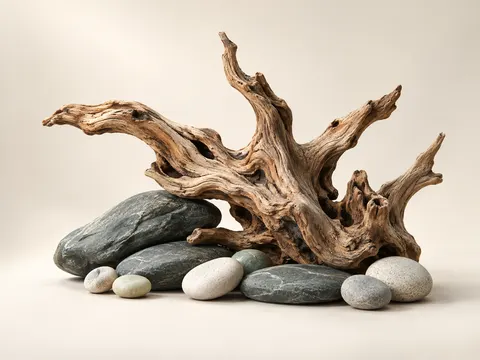
Providing a mix of open swimming space and sheltered areas with rocks, driftwood, or plants will keep both species comfortable and allow natural behaviour.
Specific environmental needs for this combination include: Plants - Densely covered, Leaf Litter/Blackwater. Meeting these requirements will help both species thrive.
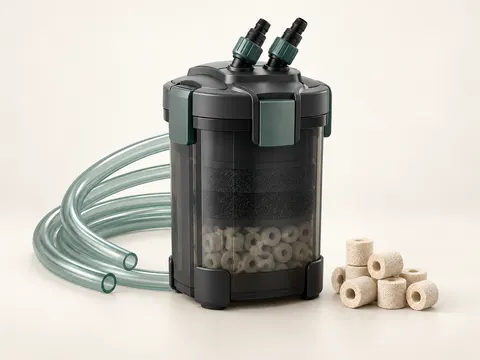
Both species do well with low (still water) water movement, so a standard filtration setup rated for the tank volume should suffice.
Why This Pairing Works in Practice
Ghost Shrimp and Harlequin Rasbora work best when the tank gives each fish enough room to use its preferred level of the aquarium and enough cover to avoid constant visual contact. The score matters, but the real-world success usually comes from matching their pace, keeping water stable, and resisting the urge to crowd the tank just because the pair looks safe on paper.
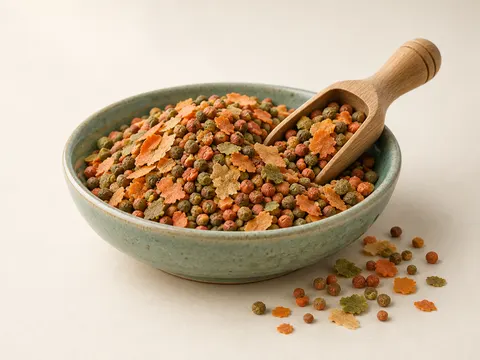
Supplies for Ghost Shrimp & Harlequin Rasbora
We may earn from qualifying purchases

Suitable Tank Sizes
Standard aquarium sizes large enough for both Ghost Shrimp and Harlequin Rasbora.
20 Gallon High
20 Gallon Long
29 Gallon Standard
30 Gallon Breeder
36 Gallon Bowfront
40 Gallon Breeder
Show 19 more tank sizes
Frequently Asked Questions
Can Ghost Shrimp and Harlequin Rasbora live together?
Yes. Ghost Shrimp and Harlequin Rasbora are considered ideal tank mates. Their water parameters, temperaments, and behaviour profiles are well matched for a community aquarium.
What size tank do Ghost Shrimp and Harlequin Rasbora need?
A minimum of 60 litres (tank length at least 60 cm) is recommended. This provides enough space for both species to establish their own areas and reduces the likelihood of territorial disputes.
What water temperature is best for Ghost Shrimp and Harlequin Rasbora together?
Keep the aquarium between 22°C and 28°C. A target of around 25.0°C sits comfortably within both species' preferred ranges.
Are Ghost Shrimp or Harlequin Rasbora aggressive?
Ghost Shrimp is peaceful (1/10) and Harlequin Rasbora is peaceful (1/10). Their similar temperaments generally lead to a peaceful coexistence.
What pH do Ghost Shrimp and Harlequin Rasbora need?
Both species overlap in the 6.5–7.5 pH range. Consistency is key — avoid sudden swings, and test regularly to stay within this window.
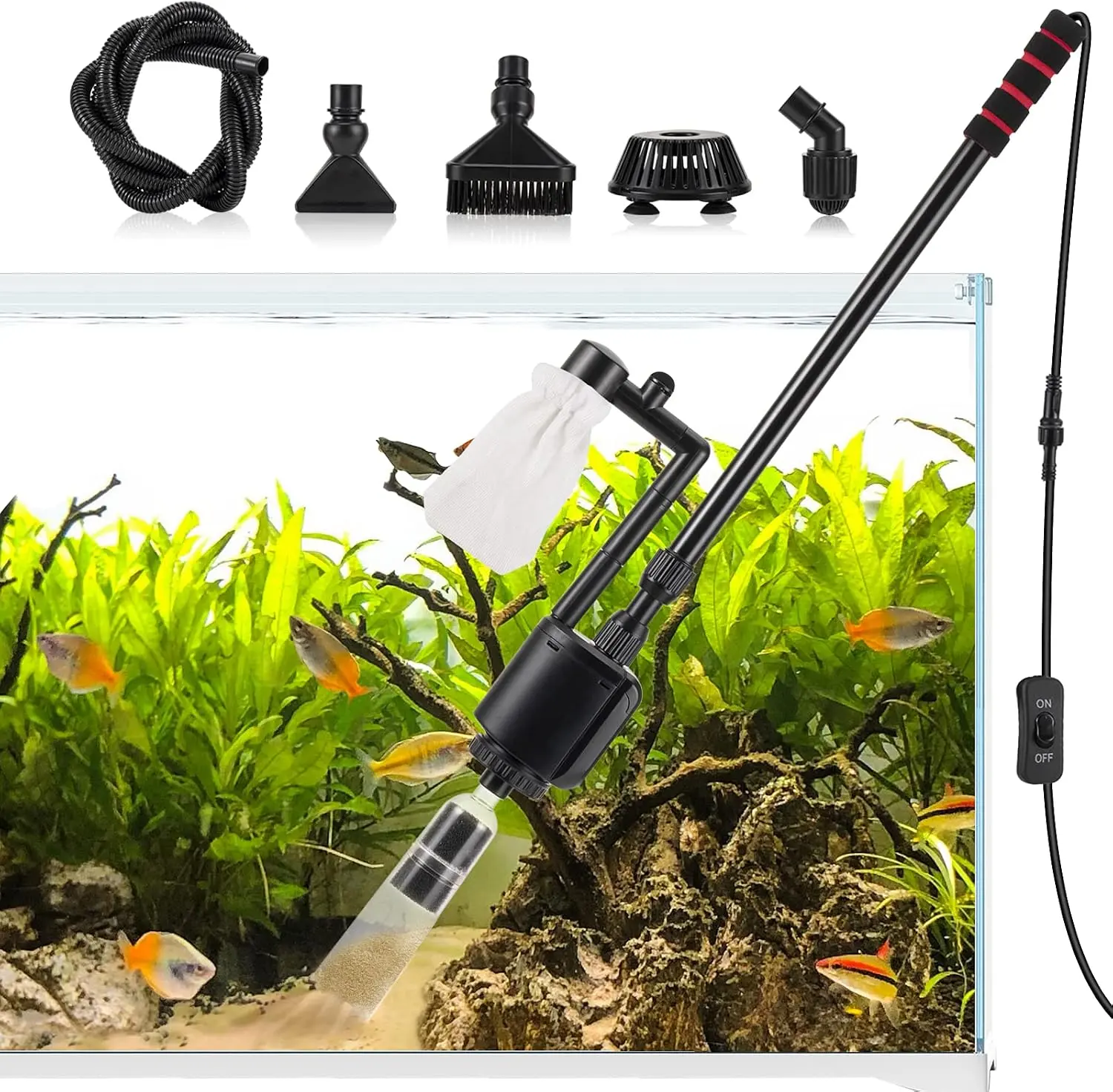
Shared setup supplies
We may earn from qualifying purchases
Guidarium Editorial Desk
Reviewed against Guidarium care, stocking, and compatibility standards. Read the editorial policy.
- Last reviewed
- April 28, 2026
- Last updated
- April 28, 2026
- Issues or corrections?
- Contact the editorial team
Related Comparisons
Ghost Shrimp & Apple Snail
·
Ghost Shrimp & Assassin Snail
·
Ghost Shrimp & Bee Shrimp
·
Ghost Shrimp & Bee Shrimp (Crystal Red / Black)
·
Ghost Shrimp & Bladder Snail (Pest Snail)
·
Ghost Shrimp & Blue Pearl Shrimp
·
Harlequin Rasbora & Blackline Rasbora
·
Harlequin Rasbora & Copper Harlequin Rasbora
·
Harlequin Rasbora & Glowlight Danio
·
Harlequin Rasbora & Neon Green Rasbora (Kubotai)
·
Harlequin Rasbora & Pearl Danio
·
Harlequin Rasbora & Rose Danio
·