
Is Uruguay Sword a Good Plant for Peter's Elephantnose Fish?
Uruguay Sword is a strong fit for Peter's Elephantnose Fish. The shared water window is realistic, and the plant has enough structure or resilience to be useful in a tank built around this fish. Fish pressure is low, so the plant can be judged mostly on water match, cover value, and layout role.
Uruguay Sword
Echinodorus uruguayensis
Peter's Elephantnose Fish
Gnathonemus petersii
Quick Decision
A plant can be technically compatible with a fish and still fail in the actual tank if the fish digs, chews, needs denser cover, or uses a different part of the layout.
92/100
The plant and fish suit each other well.
Workable overlap
Shared range: 23-28°C, pH 6-7.5, 2-12 dGH.
Low
Peter's Elephantnose Fish is not flagged as unusually hard on this plant.
Moderate cover
Uruguay Sword helps with breaks lines of sight and useful spawning site.
Plant and Fish Fit Notes
Use these signals to decide whether the plant is doing useful work for the fish, or whether it is only surviving beside it.
Overlap: 23-28°C.
Overlap: pH 6-7.5.
Overlap: 2-12 dGH.
Flow expectations are close enough for one layout.
Plant pressure: Low.
Shared Tank Conditions
Uruguay Sword fits inside the water range normally used for Peter's Elephantnose Fish. The shared window is about 23 to 28 °C, pH 6 to 7.5, and 2 to 12 dGH, which gives you enough room to aim for stable middle-ground conditions.
Both do best with moderate flow, so circulation does not need to be split into competing zones.
Both are suited to freshwater, so salinity does not add an extra planning problem.
Fish Pressure and Plant Resilience
Peter's Elephantnose Fish does not put unusual pressure on this plant compared with harder fish-plant combinations.
Uruguay Sword has moderate cover density, high uproot resistance, and tough / leathery leaves. It can also help with breaking up sight lines and spawning sites.
It gives Peter's Elephantnose Fish useful visual shelter and line-of-sight breaks.
The point to watch is this plant can darken the layout more than ideal for fish that prefer lighter plant cover.
Layout Fit
Uruguay Sword is a rosette / crown plant usually used midground and background.
Peter's Elephantnose Fish is an oddball fish, so the pairing works best when the planting style supports how that fish uses space and cover.
Uruguay Sword reaches about 55 cm tall by 40 cm wide and is usually rooted in substrate with nutrient-rich substrate preferred. That makes placement and anchoring more important than simply adding a larger bunch of stems or leaves.
In this pairing, the useful plant values are line-of-sight breaks and spawning sites. Place it where Peter's Elephantnose Fish can actually use that structure instead of hiding the plant where it cannot do much.
Supplies for Uruguay Sword & Peter's Elephantnose Fish
We may earn from qualifying purchases

Practical Recommendation
This is a sensible planted-tank choice for Peter's Elephantnose Fish, especially when you want the plant to do real work as cover, sight-line structure, or habitat detail.
The decision should center on this signal: This plant can darken the layout more than ideal for fish that prefer lighter plant cover.
Best Use Case
Uruguay Sword is a strong choice for Peter's Elephantnose Fish when you want the plant to do real work in the tank, not just survive in the background. The pairing tends to perform best when the plant's cover, resilience, or placement naturally supports how the fish moves, hides, or claims space.
Frequently Asked Questions About Uruguay Sword and Peter's Elephantnose Fish
Is Uruguay Sword a good plant for Peter's Elephantnose Fish?
Uruguay Sword is a strong fit for Peter's Elephantnose Fish. The shared water window is realistic, and the plant has enough structure or resilience to be useful in a tank built around this fish. Fish pressure is low, so the plant can be judged mostly on water match, cover value, and layout role.
Can Peter's Elephantnose Fish damage Uruguay Sword?
This plant can darken the layout more than ideal for fish that prefer lighter plant cover.
Uruguay Sword and Peter's Elephantnose Fish share a workable water window around 23 to 28 °C, pH 6 to 7.5, and 2 to 12 dGH. Keep the tank near the middle of that overlap for the best long-term result.
What does Uruguay Sword add to a tank with Peter's Elephantnose Fish?
It gives Peter's Elephantnose Fish useful visual shelter and line-of-sight breaks.
What is the main risk in this plant and fish pairing?
This plant can darken the layout more than ideal for fish that prefer lighter plant cover.
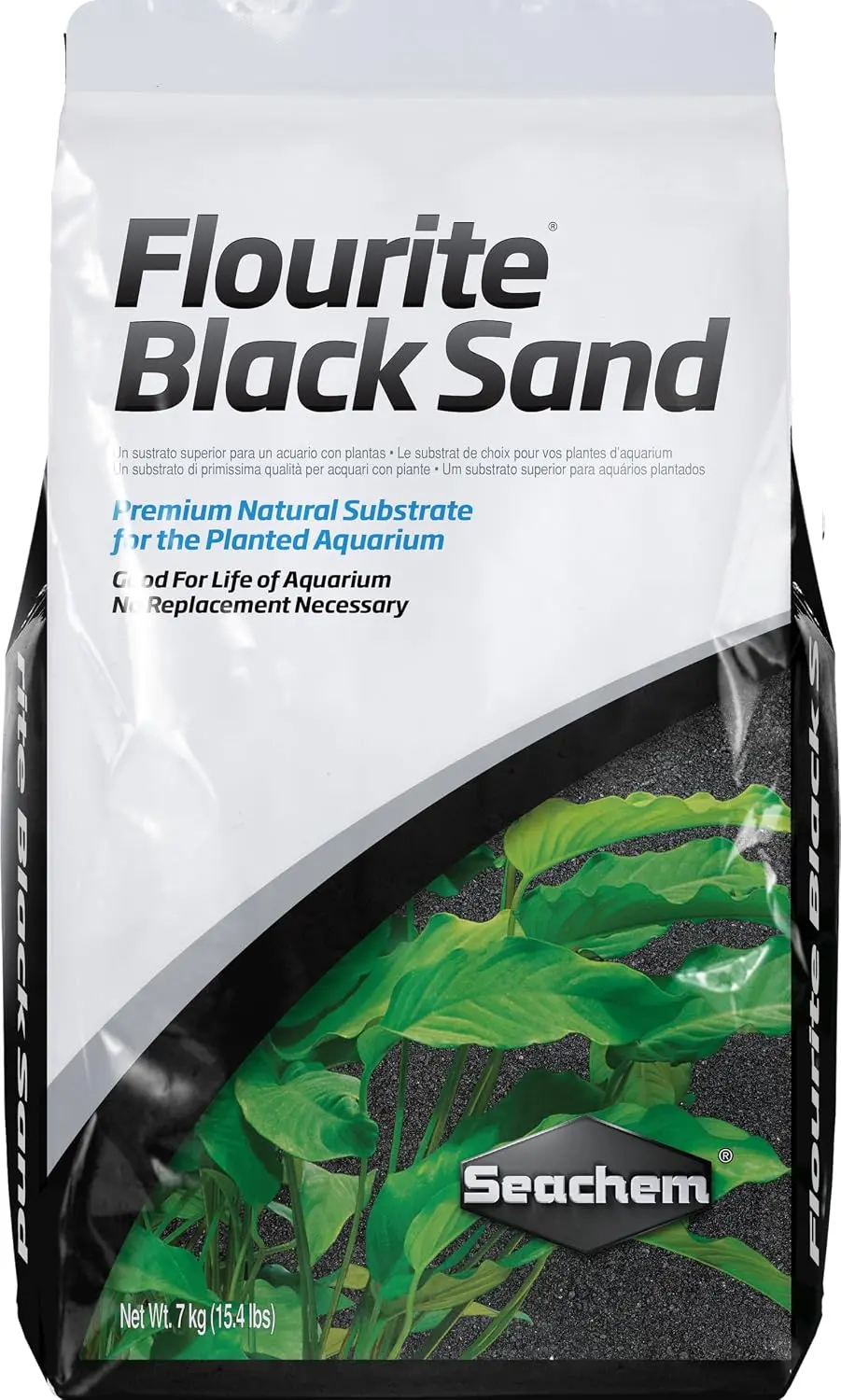
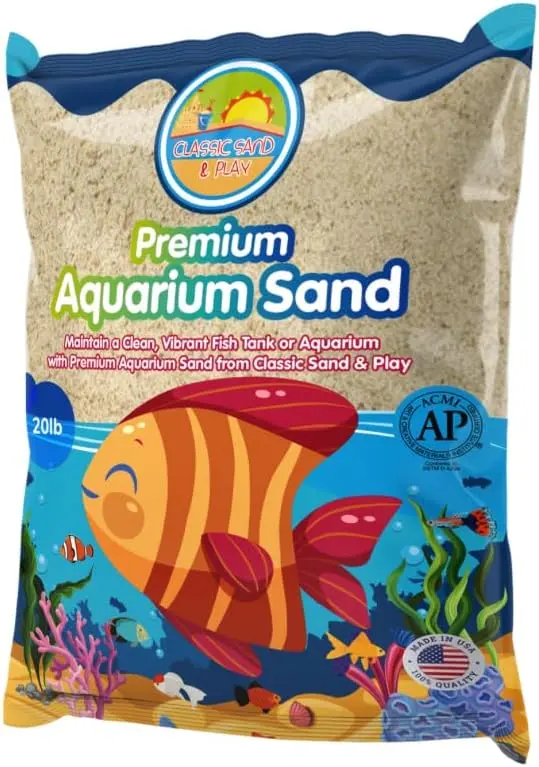
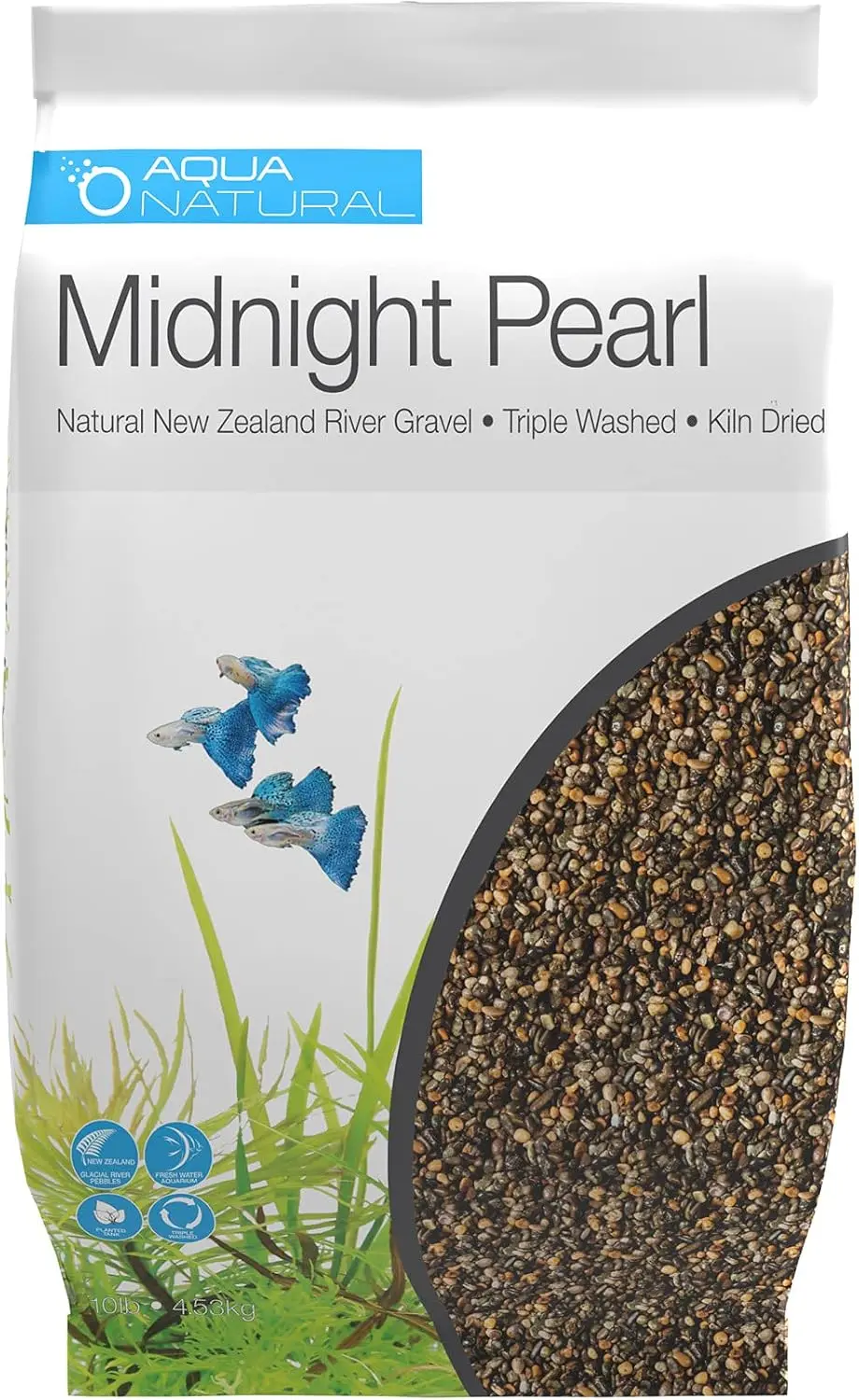
Plant and fish setup supplies
We may earn from qualifying purchases
Guidarium Editorial Desk
Reviewed against Guidarium care, stocking, and compatibility standards. Read the editorial policy.
- Last reviewed
- April 28, 2026
- Last updated
- April 28, 2026
- Issues or corrections?
- Contact the editorial team
Other Fish for Uruguay Sword
Scissortail Rasbora
Rasbora trilineata
Rummynose Rasbora
Sawbwa resplendens
Rosy Red Minnow / Fathead Minnow
Pimephales promelas
Rose Danio
Danio roseus
Tequila Splitfin
Zoogoneticus tequila
Sunset Platy (Variatus Platy)
Xiphophorus variatus
Other Plants for Peter's Elephantnose Fish
African Onion Plant
Crinum calamistratum
Afzel's Anubias
Anubias afzelii
Anacharis
Egeria densa
Ashy Pipewort
Eriocaulon cinereum
Baby Tears
Lindernia rotundifolia
Balansae
Cryptocoryne crispatula