
Anacharis vs Large Ammannia
Anacharis and Large Ammannia are direct alternatives for many aquascapes. They both fit the midground and background, so the decision is about the cleaner long-term role in that area. The better pick usually comes down to mature footprint, leaf shape, planting style, and how closely the plant matches your existing routine.
Anacharis
Egeria densa
Large Ammannia
Ammannia gracilis
Quick Decision
Use this section when you are choosing one plant, not collecting both. It separates true alternatives from plants that only seem similar at first glance.
76/100
A close substitute for the same job.
82/100
They overlap around Midground and Background.
68/100
Anacharis and Large Ammannia are compared on light, CO2, water, flow, difficulty, and maintenance.
Tradeoff
Their mature height diverges enough that they stop being true one-for-one replacements.
Side-by-Side Comparison
The better choice is usually the plant that fits your existing light, space, and maintenance routine with the fewest compromises.
Shared placement: Midground and Background.
Shared benefit: Breaks lines of sight and Good refuge for fry.
Where They Overlap
Both plants overlap around the midground and background, which is the biggest reason they belong in the same comparison.
Both are stem plant options. Anacharis usually reaches about 100 cm tall by 5 cm wide, while Large Ammannia usually reaches about 50 cm tall by 15 cm wide.
They also share practical benefits such as line-of-sight breaks and fry refuge, so the decision is not only about looks.
The strongest overlap signals are practical: they overlap strongly in placement, especially around the midground and background; both belong to the stem plant category, so they solve a similar layout job.
Why Choose Anacharis
Choose Anacharis when its exact growth habit fits the open space you have and you want the finished scape to lean toward its shape, texture, or spread.
Anacharis is the easier keep when you want the simpler option.
Anacharis makes more sense in lower-light scapes.
Anacharis is the tidier fit when space is limited.
Anacharis also suits keepers who want moderate light and no added CO2, with fast growth, high maintenance, and beginner difficulty.
Why Choose Large Ammannia
Choose Large Ammannia when its shape, mature size, or planting style gives the scape a cleaner finish than forcing Anacharis into the same role.
Large Ammannia is the tidier fit when space is limited.
Large Ammannia fits a routine built around high light and recommended added CO2, with moderate growth, high maintenance, and advanced difficulty.
Care and Scape Differences
Role overlap lands at 82/100 and care similarity lands at 68/100. Treat those numbers as a shortcut for the decision, not as a replacement for looking at mature size and placement.
Anacharis is rooted in substrate with inert substrate is fine and feeds mainly as a water column feeder. Large Ammannia is rooted in substrate with nutrient-rich substrate preferred and feeds mainly as a mixed feeder.
Their mature height diverges enough that they stop being true one-for-one replacements.
If the tank already has several demanding plants, the easier choice is the one that matches your existing light, CO2, and trimming routine.
Supplies for Anacharis & Large Ammannia
We may earn from qualifying purchases

Practical Recommendation
If both are available, pick based on the role you need most: the tidier mature footprint, the better cover value, or the plant that matches your current routine without upgrades.
A practical way to decide is to imagine the tank six months from now. The better plant is the one that still fits the same space after several trims, not the one that only looks right on planting day.
Main Tradeoff
The real tradeoff between Anacharis and Large Ammannia is usually style and maintenance preference rather than raw compatibility. Choose the one that fits your current light, layout, and trimming routine with fewer exceptions instead of assuming the more dramatic plant is automatically the better buy.
Frequently Asked Questions About Anacharis vs Large Ammannia
Is Anacharis a direct alternative to Large Ammannia?
Anacharis and Large Ammannia are direct alternatives for many aquascapes. They both fit the midground and background, so the decision is about the cleaner long-term role in that area. The better pick usually comes down to mature footprint, leaf shape, planting style, and how closely the plant matches your existing routine.
Which plant is easier: Anacharis or Large Ammannia?
Anacharis is the easier keep when you want the simpler option.
Which plant fits smaller spaces better?
Anacharis is the tidier fit when space is limited.
Do Anacharis and Large Ammannia need the same lighting?
Their lighting expectations are close enough that a similar setup can usually support either plant. Anacharis is listed for moderate light, while Large Ammannia is listed for high light.
What is the biggest difference between Anacharis and Large Ammannia?
Their mature height diverges enough that they stop being true one-for-one replacements.
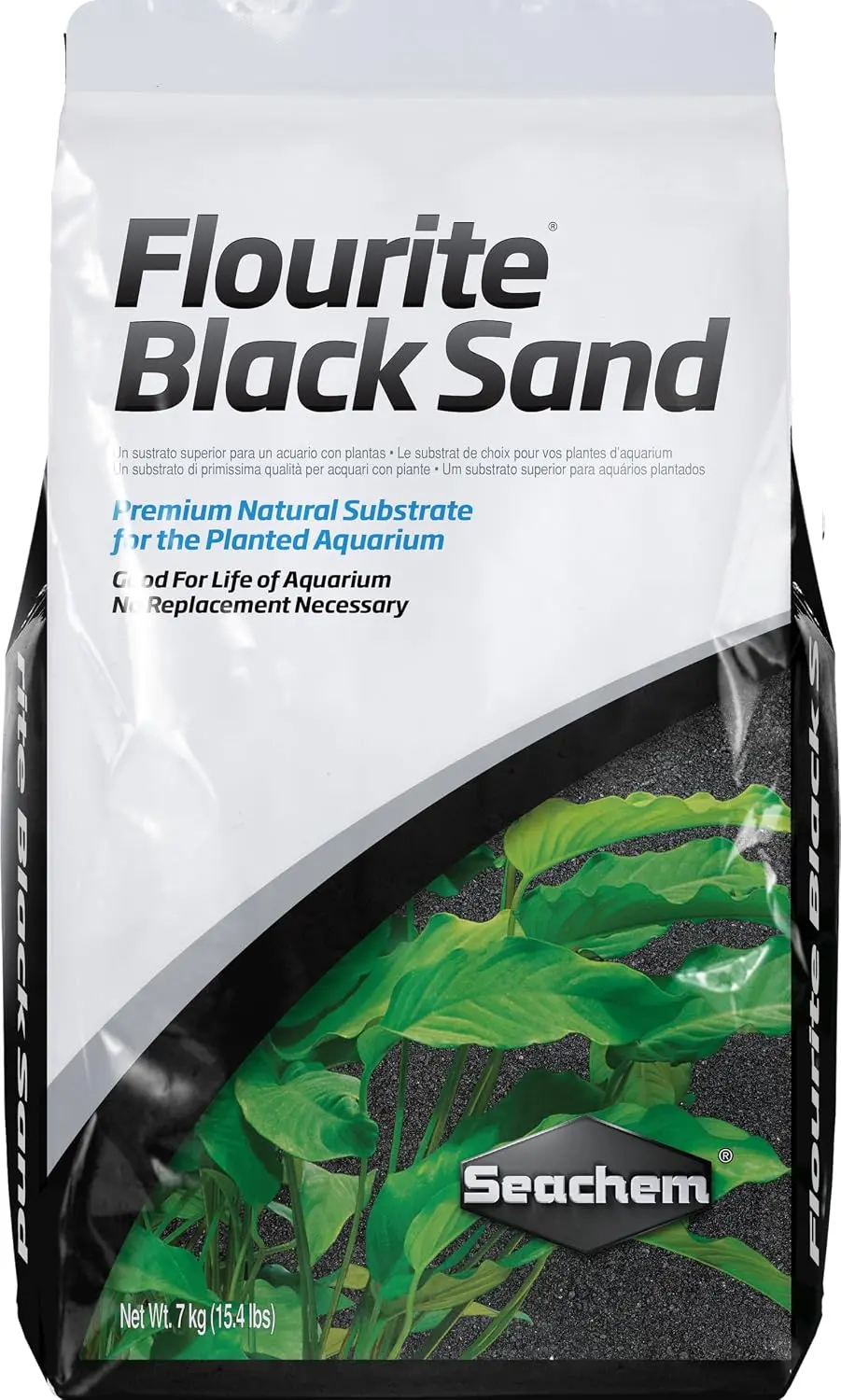
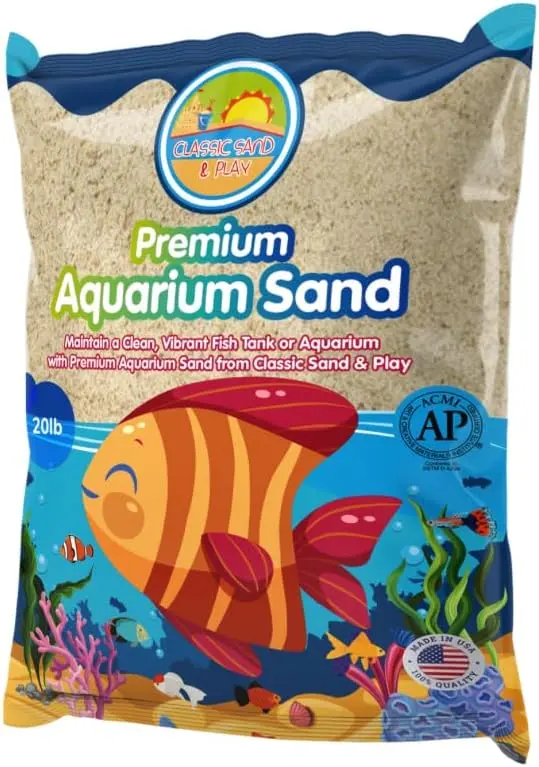
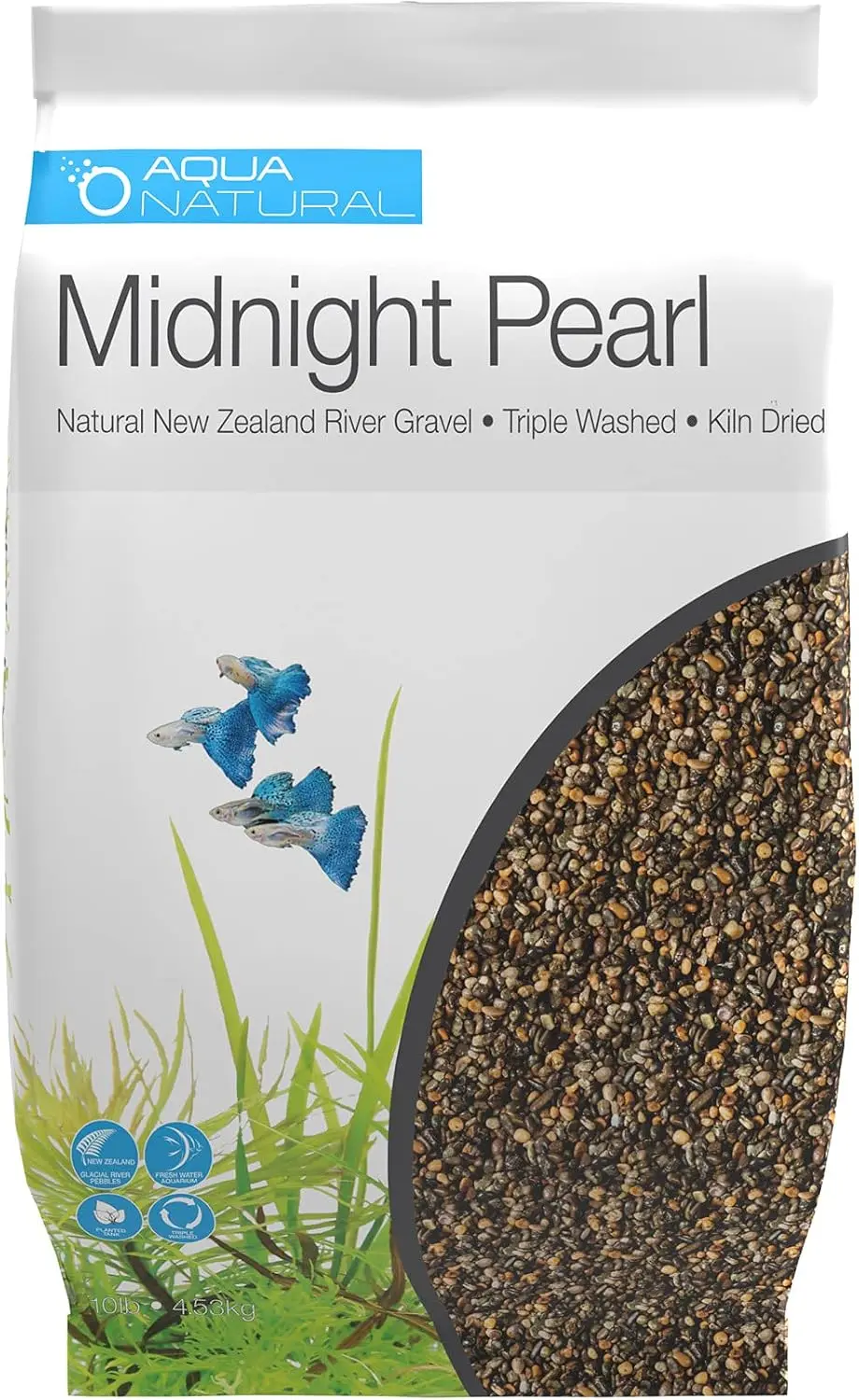
Products for these plant choices
We may earn from qualifying purchases
Guidarium Editorial Desk
Reviewed against Guidarium care, stocking, and compatibility standards. Read the editorial policy.
- Last reviewed
- April 23, 2026
- Last updated
- April 23, 2026
- Issues or corrections?
- Contact the editorial team
Related Plant Comparisons
Baby Tears
Lindernia rotundifolia
Bog Moss
Mayaca fluviatilis
Carolina Fanwort
Cabomba caroliniana
Creeping Jenny
Lysimachia nummularia
Creeping Ludwigia
Ludwigia repens
Dwarf Ambulia
Limnophila sessiliflora