
Tailbar Cichlid
Vieja hartwegi
A robust and highly intelligent Central American cichlid known for its broad vertical tail bar, metallic sheen, and bold personality. Like many large Vieja species, they are heavy diggers, plant destroyers, and high waste producers. They can become fiercely aggressive, particularly towards similar-looking species or if their tank is too small.
Tailbar Cichlid At a Glance
Tailbar Cichlid Tank Requirements
Will Tailbar Cichlid fit in your tank?
Care guides tell you what Tailbar Cichlid needs, the next question is whether your tank can safely provide it. Test Tailbar Cichlid against your tank size, maintenance needs, and the fish you already keep before you buy.
Tailbar Cichlid Water Parameters
Tailbar Cichlid Temperament & Compatibility
Tailbar Cichlid Varieties
Each variety inherits the species defaults above. Only differences are highlighted.
Standard (Male Adult)
Adult males reach up to 12-14 inches, displaying brilliant metallic coloration and developing a pronounced nuchal hump. They are highly territorial toward other large cichlids and demand a 6-foot tank minimum to thrive.
Same care requirements as the base species
Also known as: Show Male, Nuchal Hump
Female Adult
Females are generally smaller (around 10 inches) and lack the prominent nuchal hump of the males. Their coloration is often less intense, and they may be slightly less aggressive when not breeding.
Differs in 2 traits from base species
Also known as: Female
Juvenile (Grow-out)
Young Tailbar Cichlids are sold at a few inches in length. While they can temporarily be housed in smaller aquariums, they grow rapidly and will quickly need to be upgraded to large, heavily filtered setups.
Differs in 5 traits from base species
Also known as: Baby, Unsexed
Tailbar Cichlid Care Guide Summary
The Tailbar Cichlid, scientifically known as Vieja hartwegi, belongs to the Cichlids - Central American family group. Adults reach a maximum size of approximately 30 cm and have a compressed body shape with a moderate growth rate. Classified as aggressive, this species primarily occupies the mid-level and bottom zones of the aquarium and produces a extreme level of biological waste.
To thrive, the Tailbar Cichlid requires a freshwater only aquarium with a minimum volume of 450 litres and a tank length of at least 150 cm. Water temperature should be maintained between 24°C and 28°C, with a pH range of 7–8 and a general hardness of 8–15 dGH. A moderate water flow is preferred.
Due to its specialist needs, the Tailbar Cichlid is best suited for fishkeepers who can provide a carefully planned setup. This species is available in 3 varieties: Standard (Male Adult), Female Adult, and Juvenile (Grow-out). Each may differ slightly in size, temperament, or care needs, so it is worth checking the specific requirements of the variety you plan to keep.
Tailbar Cichlid Habitat Setup
When setting up an aquarium for the Tailbar Cichlid, a moderate water flow best suits their natural preferences. Because this species occupies the mid-level and bottom zones, the aquarium layout should prioritise open swimming space in the centre of the tank for free movement and sufficient floor space with hiding spots among rocks, wood, or dense planting. Useful additions include a sand substrate to accommodate their sifting behaviour and driftwood, which can serve as both a hiding place and a dietary supplement. Keepers should note that expect substrate disturbance, so lightweight décor should be secured and live planted layouts may be difficult to maintain, as this species tends to uproot or consume vegetation.
Supplies for Tailbar Cichlid
We may earn from qualifying purchases

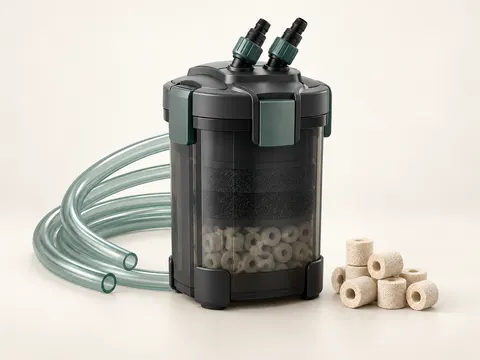
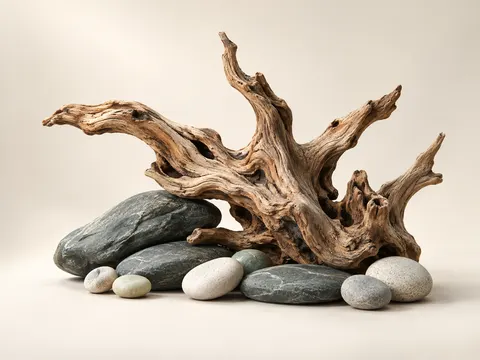

Tailbar Cichlid Compatibility Notes
Classified as aggressive, the Tailbar Cichlid is adaptable and can be kept singly or in a small group, offering flexibility when planning a community tank. When choosing tankmates, conspecific aggression can be intense, especially in smaller tanks and territorial behaviour may cause issues if hiding spots or floor space are limited. Selecting tankmates that favour different water layers from the mid-level and bottom zones can help reduce competition and territorial overlap.
Who Tailbar Cichlid Is Actually For
Tailbar Cichlid is best for a fishkeeper who expects a species with attitude and plans the tank around that behavior and can provide someone who understands its individual space requirements. It makes the most sense for a hobbyist who will actually build around its needs, especially sand.
The most common mistake is treating Tailbar Cichlid like any other community fish and skipping the soft sand it needs to forage safely. Another frequent problem is forcing it into an over-busy community when it would do better with more room or more deliberate tankmate choices.
Tailbar Cichlid Recommended Tank Sizes
Standard aquarium sizes that meet the minimum volume and length requirements for Tailbar Cichlid.
Frequently Asked Questions About Tailbar Cichlid
How big does Tailbar Cichlid get?
Tailbar Cichlid (Vieja hartwegi) typically reaches a maximum adult size of approximately 30 cm. They have a compressed body shape and a moderate growth rate.
What tank size does Tailbar Cichlid need?
A minimum aquarium volume of 450 litres and a tank length of at least 150 cm are recommended for Tailbar Cichlid. This ensures enough swimming space and helps maintain stable water conditions.
What water parameters does Tailbar Cichlid need?
Tailbar Cichlid thrives in freshwater only conditions with a temperature range of 24–28°C, a pH between 7 and 8, and a general hardness of 8–15 dGH. A moderate water flow is preferred.
Is Tailbar Cichlid peaceful or aggressive?
Tailbar Cichlid is classified as aggressive with an aggression score of 7 out of 10. Careful tankmate selection is essential to avoid conflict.
Can Tailbar Cichlid live alone?
Yes, Tailbar Cichlid can be kept singly or in a group. They are flexible and adapt well to both setups.
Does Tailbar Cichlid have any special tank requirements?
Yes. Tailbar Cichlid benefits from sand (sifters) and driftwood (digestion/hiding) in the aquarium. These features help replicate their natural habitat and promote overall health and well-being.
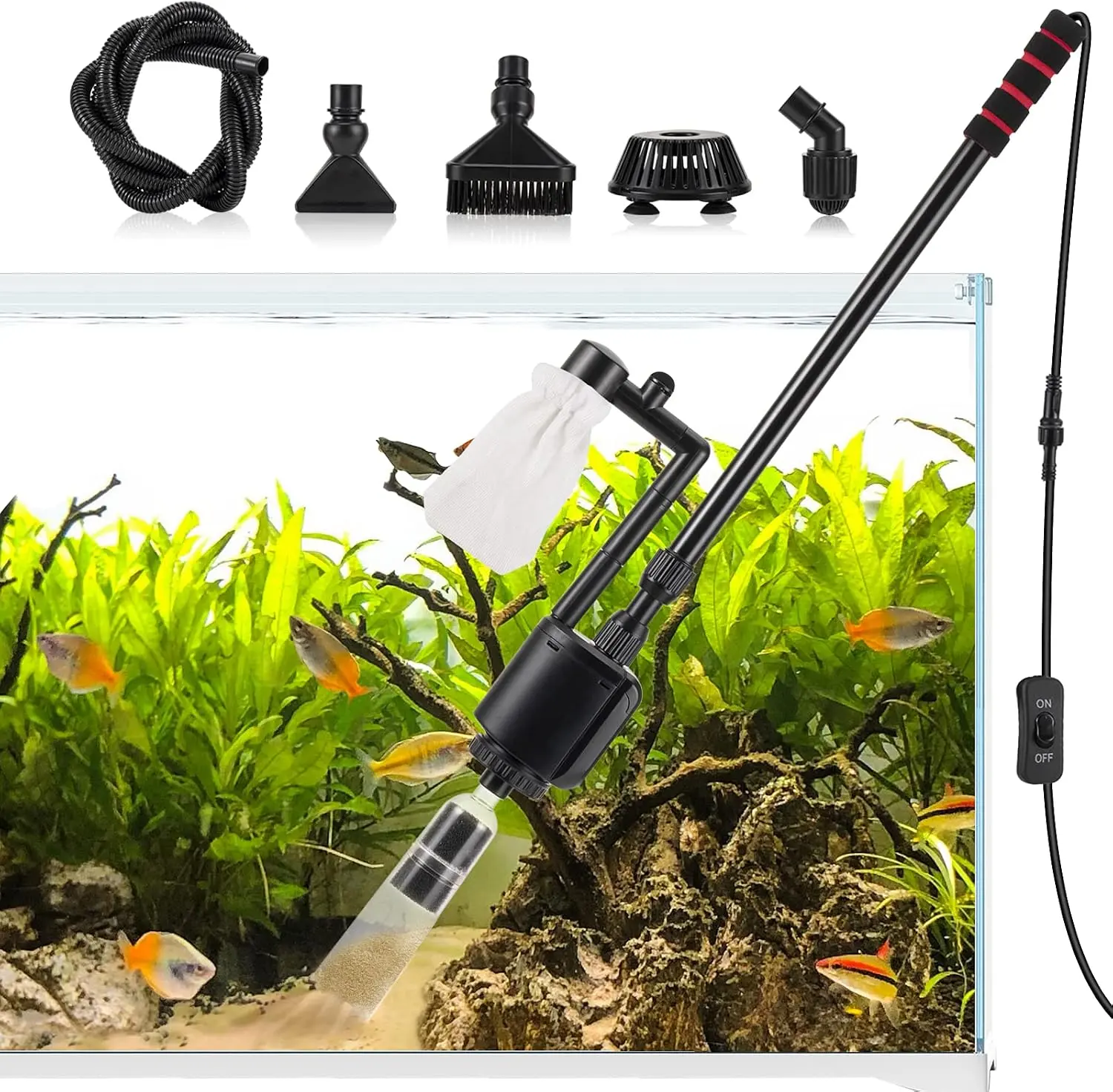
Useful setup supplies
We may earn from qualifying purchases



Guidarium Editorial Desk
Reviewed against Guidarium care, stocking, and compatibility standards. Read the editorial policy.
- Last reviewed
- May 11, 2026
- Last updated
- May 11, 2026
- Issues or corrections?
- Contact the editorial team
Plants That Suit Tailbar Cichlid
These plants pair well with Tailbar Cichlid based on shared water preferences, layout fit, and how likely they are to hold up in the same aquarium.
Afzel's Anubias
Anubias afzelii
Anubias Barteri
Anubias barteri
Belinda's Buce
Bucephalandra belindae
Buce Motleyana
Bucephalandra motleyana
Congo Anubias
Anubias heterophylla
Dwarf Buce
Bucephalandra pygmaea
Fish Similar to Tailbar Cichlid
Vieja fenestrata
Vieja fenestrata
A large, robust Central American cichlid known for its beautiful speckled patterns and a prominent dark lateral bar. Primarily herbivorous in the wild, they are highly territorial and aggressive, especially towards conspecifics. Due to their massive adult size and digging behavior, they require large aquariums, heavy filtration, and robust hardscape. They will actively uproot and consume live plants.
Trimac Cichlid
Amphilophus trimaculatus
The Trimac is a massive, incredibly aggressive Central American cichlid. Famous for the three distinct dark spots along its flanks, it is the primary ancestral species of the man-made Flowerhorn hybrid. A true 'glass-banger', it requires a huge tank, heavy filtration, and is highly intolerant of tank mates. It constantly digs and rearranges decor.
Rainbow Cichlid
Herotilapia multispinosa
Widely regarded as one of the most peaceful and beginner-friendly Central American cichlids. They are known for their vibrant gold, orange, and black coloration which intensifies during breeding. In the wild, they inhabit muddy, slow-moving waters and have specialized teeth for grazing on algae. While peaceful for a cichlid, they become aggressively territorial when spawning and their herbivorous diet means they will happily consume soft-leaved aquarium plants.
Apistogramma Orange-tail
Apistogramma cf. eunotus "Orange-tail"
A beautiful South American dwarf cichlid known for its personality and stunning coloration. They are micropredators that naturally inhabit slow-moving tributaries with sandy bottoms and leaf litter. While generally peaceful towards non-cichlid tank mates (like tetras and pencilfish), they are highly territorial among their own kind and will readily hunt dwarf shrimp.
Macaw Cichlid
Hypsophrys nicaraguensis
A robust and stunning Central American cichlid. Uniquely among many cichlids, the females are actually more vibrantly colored than the males. They are notorious diggers and cave-spawners that will rearrange substrate. Best kept with other similarly sized, robust Central American cichlids in a large tank.
Black Belt Cichlid
Vieja maculicauda
A large, powerful, and strikingly colored Central American cichlid known for the distinctive vertical black band across its midsection and vivid red flushing on its throat and tail. They are highly territorial, aggressive, and notorious for re-arranging the aquarium. They are primarily herbivorous in the wild but will eat almost anything, including smaller fish. They cannot be kept in planted tanks.