
Sixbar Distichodus
Distichodus sexfasciatus
The Sixbar Distichodus is a massive, highly active African river fish. While sold as brightly colored, tiger-striped juveniles, they grow into enormous grayish adults. They are infamous for consuming all aquatic vegetation and becoming intensely territorial toward conspecifics as they age. They require enormous aquariums and robust tank mates.
Sixbar Distichodus At a Glance
Sixbar Distichodus Tank Requirements
Will Sixbar Distichodus fit in your tank?
Care guides tell you what Sixbar Distichodus needs, the next question is whether your tank can safely provide it. Test Sixbar Distichodus against your tank size, maintenance needs, and the fish you already keep before you buy.
Sixbar Distichodus Water Parameters
Sixbar Distichodus Temperament & Compatibility
Sixbar Distichodus Varieties
Each variety inherits the species defaults above. Only differences are highlighted.
Standard (Adult)
The massive adult form. Their vivid orange coloration fades to a reddish-gray or completely gray hue. They are highly territorial towards other Distichodus and must generally be kept as solitary specimens within their species.
Differs in 1 trait from base species
Also known as: Adult, Giant
Juvenile (Grow-out)
The vibrant orange and black striped juvenile stage most commonly seen in the aquarium trade. While they will shoal peacefully when young, they grow rapidly and will eventually turn on each other if kept in groups.
Differs in 5 traits from base species
Also known as: Baby, Tiger Striped
Sixbar Distichodus Care Guide Summary
The Sixbar Distichodus, scientifically known as Distichodus sexfasciatus, belongs to the Characins family group. Adults reach a maximum size of approximately 76 cm and have a compressed body shape with a fast growth rate. Classified as aggressive, this species primarily occupies the mid-level and bottom zones of the aquarium and produces a extreme level of biological waste.
To thrive, the Sixbar Distichodus requires a freshwater only aquarium with a minimum volume of 1000 litres and a tank length of at least 200 cm. Water temperature should be maintained between 22°C and 26°C, with a pH range of 6–7.5 and a general hardness of 10–20 dGH. A moderate water flow is preferred.
Due to its specialist needs, the Sixbar Distichodus is best suited for fishkeepers who can provide a carefully planned setup. This species is available in 2 varieties: Standard (Adult) and Juvenile (Grow-out). Each may differ slightly in size, temperament, or care needs, so it is worth checking the specific requirements of the variety you plan to keep.
Sixbar Distichodus Habitat Setup
When setting up an aquarium for the Sixbar Distichodus, a moderate water flow best suits their natural preferences. Because this species occupies the mid-level and bottom zones, the aquarium layout should prioritise open swimming space in the centre of the tank for free movement and sufficient floor space with hiding spots among rocks, wood, or dense planting. Useful additions include a sand substrate to accommodate their sifting behaviour, smooth gravel or rounded substrate to protect their sensitive barbels, and driftwood, which can serve as both a hiding place and a dietary supplement. Keepers should note that a tight-fitting lid is essential, as this species is a known jumper and live planted layouts may be difficult to maintain, as this species tends to uproot or consume vegetation.
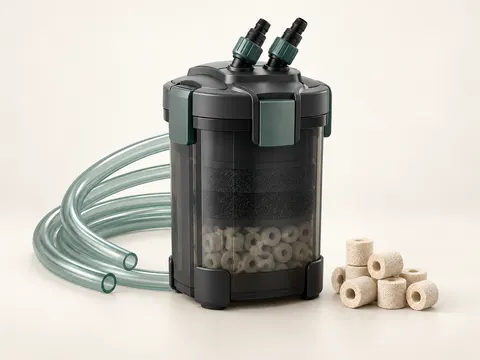
Supplies for Sixbar Distichodus
We may earn from qualifying purchases



Sixbar Distichodus Compatibility Notes
Classified as aggressive, the Sixbar Distichodus is best housed alone, as they do not tolerate others of their kind in confined spaces. When choosing tankmates, avoid housing with slow-moving or long-finned species that may become targets for fin nipping, conspecific aggression can be intense, especially in smaller tanks, and their energetic swimming style may stress more sedentary or timid species. Selecting tankmates that favour different water layers from the mid-level and bottom zones can help reduce competition and territorial overlap.
Who Sixbar Distichodus Is Actually For
Sixbar Distichodus is best for a fishkeeper who expects a species with attitude and plans the tank around that behavior and can provide someone who understands its individual space requirements. It makes the most sense for a hobbyist who will actually build around its needs, especially sand.
The most common mistake is treating Sixbar Distichodus like any other community fish and skipping the soft sand it needs to forage safely. Another frequent problem is forcing it into an over-busy community when it would do better with more room or more deliberate tankmate choices.
Frequently Asked Questions About Sixbar Distichodus
How big does Sixbar Distichodus get?
Sixbar Distichodus (Distichodus sexfasciatus) typically reaches a maximum adult size of approximately 76 cm. They have a compressed body shape and a fast growth rate.
What tank size does Sixbar Distichodus need?
A minimum aquarium volume of 1000 litres and a tank length of at least 200 cm are recommended for Sixbar Distichodus. This ensures enough swimming space and helps maintain stable water conditions.
What water parameters does Sixbar Distichodus need?
Sixbar Distichodus thrives in freshwater only conditions with a temperature range of 22–26°C, a pH between 6 and 7.5, and a general hardness of 10–20 dGH. A moderate water flow is preferred.
Is Sixbar Distichodus peaceful or aggressive?
Sixbar Distichodus is classified as aggressive with an aggression score of 7 out of 10. Careful tankmate selection is essential to avoid conflict.
Can Sixbar Distichodus live with others of its kind?
No. Only one Sixbar Distichodus should be kept per tank. Keeping multiples in the same aquarium typically results in aggression and stress.
Does Sixbar Distichodus have any special tank requirements?
Yes. Sixbar Distichodus benefits from sand (sifters), smooth gravel (sensitive barbels), and driftwood (digestion/hiding) in the aquarium. These features help replicate their natural habitat and promote overall health and well-being.
Does Sixbar Distichodus need a lid on the tank?
Yes. Sixbar Distichodus is a known jumper, and a tight-fitting lid or cover is essential to prevent escape. Even a small gap can be enough for a determined fish to leap out.
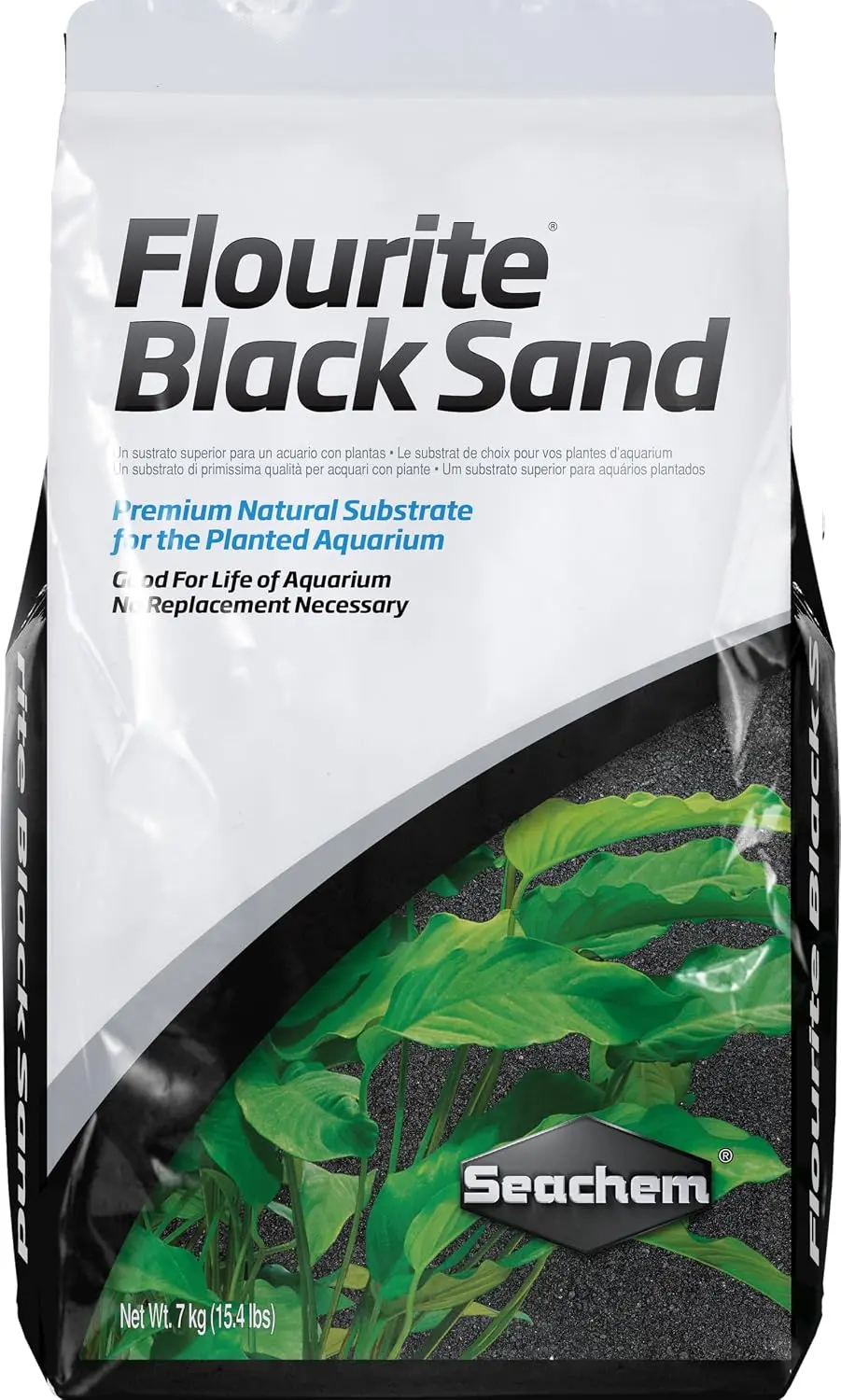
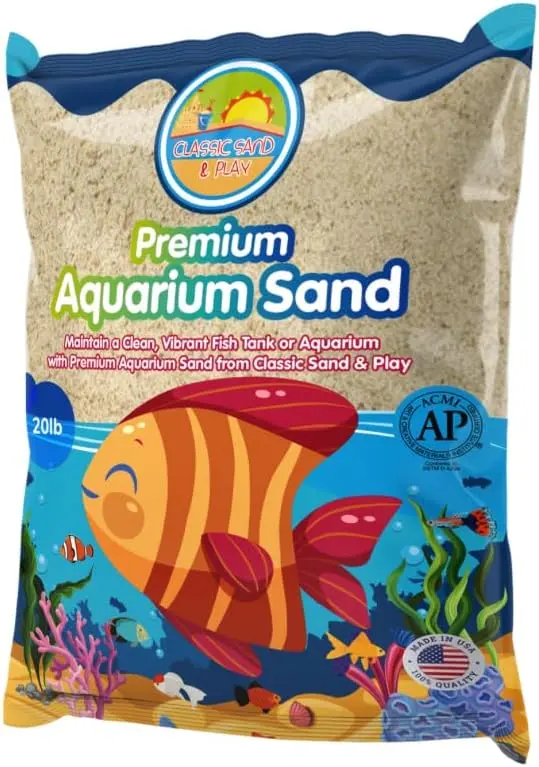
Useful setup supplies
We may earn from qualifying purchases


Guidarium Editorial Desk
Reviewed against Guidarium care, stocking, and compatibility standards. Read the editorial policy.
- Last reviewed
- May 11, 2026
- Last updated
- May 11, 2026
- Issues or corrections?
- Contact the editorial team
Plants That Suit Sixbar Distichodus
These plants pair well with Sixbar Distichodus based on shared water preferences, layout fit, and how likely they are to hold up in the same aquarium.
African Onion Plant
Crinum calamistratum
Afzel's Anubias
Anubias afzelii
Anubias Barteri
Anubias barteri
Balansae
Cryptocoryne crispatula
Belinda's Buce
Bucephalandra belindae
Bonsai Rotala
Rotala indica
Fish Similar to Sixbar Distichodus
Barred Rainbowfish
Chilatherina fasciata
A robust, active, and highly colorful schooling fish native to the clear, fast-flowing streams of New Guinea. They are named for the distinctive vertical black bars on their lower flanks. As highly active swimmers that do best in hard, alkaline water, they require a spacious, long aquarium (minimum 4 feet) with strong oxygenation and plenty of open swimming space.
Banded Rainbowfish
Melanotaenia trifasciata
A large, robust, and highly active schooling fish native to Northern Australia. Famous for its intense geographic color variations (such as the red 'Goyder River' morph). They are peaceful but incredibly fast and vigorous swimmers, requiring long aquariums with plenty of open swimming space.
Tinfoil Barb
Barbonymus schwanenfeldii
A large, active, and schooling riverine species that quickly outgrows standard aquariums. Known for their metallic silver scales and red fins. They are notoriously skittish, robust eaters, and will consume almost any live plant or small fish that fits in their mouths. A massive tank with strong filtration is strictly required.
Shortbarbel Pangasius
Pangasius micronemus
A massive, highly active riverine catfish native to Southeast Asia. Like its cousin the Iridescent Shark, it is a nervous and skittish swimmer prone to panicking and injuring itself on tank glass. Due to its enormous adult size of up to 1 meter (39 inches), it is strictly suited for only the largest custom aquariums, indoor ponds, or public aquaria. It is an opportunistic predator that will consume any tank mate small enough to fit in its large mouth.
Debauwi Catfish (Three-Striped Glass Catfish)
Pareutropius buffei
A highly active, diurnal schooling catfish native to West African rivers. Unlike most bottom-dwelling catfish, they continuously swim in the mid-to-upper water column. While often sold in the trade as 'P. debauwi', virtually all specimens are actually 'P. buffei' (distinguished by having three lateral stripes instead of one). They are peaceful, require highly oxygenated water with moderate flow, and absolutely must be kept in groups.
Silver Prochilodus
Semaprochilodus taeniurus
A large, active riverine species famous for its striking striped tail and ability to consume massive amounts of algae. Commonly kept as a 'cleanup crew' in monster fish setups (with Arowanas or large Cichlids). They are peaceful towards other species but highly intolerant of their own kind unless kept in large shoals to disperse aggression.