
Red-Bellied Piranha
Pygocentrus nattereri
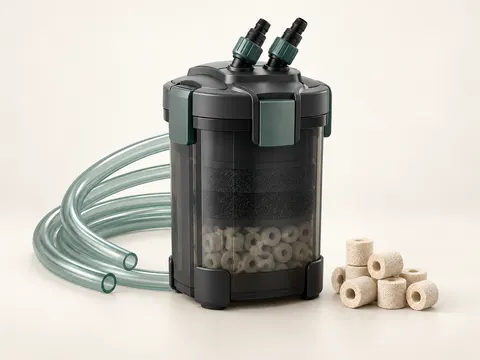
An infamous South American predator known for its razor-sharp teeth and schooling behavior. Despite their fearsome reputation, they are naturally skittish and easily spooked in aquariums, requiring a large shoal (4-6+) and dim lighting (often achieved via floating plants) to feel secure. They are incredibly messy eaters that produce extreme bioloads, necessitating massive filtration systems and frequent water changes.
Red-Bellied Piranha At a Glance
Red-Bellied Piranha Tank Requirements
Will Red-Bellied Piranha fit in your tank?
Care guides tell you what Red-Bellied Piranha needs, the next question is whether your tank can safely provide it. Test Red-Bellied Piranha against your tank size, maintenance needs, and the fish you already keep before you buy.
Red-Bellied Piranha Water Parameters
Red-Bellied Piranha Temperament & Compatibility
Red-Bellied Piranha Varieties
Each variety inherits the species defaults above. Only differences are highlighted.
Standard / Adult
Fully grown adults exhibit the iconic brilliant red belly and silver/gold speckling. They require a massive tank footprint and exceptional filtration due to their extreme bioload and high-protein diet.
Differs in 1 trait from base species
Also known as: Adult RBP, Full Grown
Juvenile (Grow-out)
Sold at a small size (usually 2-5cm). They grow exceptionally fast in their first year. While they can temporarily be housed in a 40-gallon tank to ensure they find food, they will rapidly require an upgrade. Juveniles are notorious fin-nippers and highly prone to cannibalizing each other if underfed or kept in too small a group.
Differs in 6 traits from base species
Also known as: Baby RBP, Dime Size, Quarter Size
Red-Bellied Piranha Care Guide Summary
The Red-Bellied Piranha, scientifically known as Pygocentrus nattereri, belongs to the Characins family group. Adults reach a maximum size of approximately 30 cm and have a compressed body shape with a moderate growth rate. Classified as aggressive, this species primarily occupies the mid-level and bottom zones of the aquarium and produces a extreme level of biological waste.
To thrive, the Red-Bellied Piranha requires a freshwater only aquarium with a minimum volume of 380 litres and a tank length of at least 120 cm. Water temperature should be maintained between 24°C and 28°C, with a pH range of 6–7.5 and a general hardness of 4–15 dGH. A moderate water flow is preferred.
Due to its specialist needs, the Red-Bellied Piranha is best suited for fishkeepers who can provide a carefully planned setup. This species is available in 2 varieties: Standard / Adult and Juvenile (Grow-out). Each may differ slightly in size, temperament, or care needs, so it is worth checking the specific requirements of the variety you plan to keep.
Red-Bellied Piranha Habitat Setup
When setting up an aquarium for the Red-Bellied Piranha, a moderate water flow best suits their natural preferences. Because this species occupies the mid-level and bottom zones, the aquarium layout should prioritise open swimming space in the centre of the tank for free movement and sufficient floor space with hiding spots among rocks, wood, or dense planting. Useful additions include driftwood, which can serve as both a hiding place and a dietary supplement and floating plants to diffuse overhead light and create shaded areas.
Supplies for Red-Bellied Piranha
We may earn from qualifying purchases



Red-Bellied Piranha Compatibility Notes
Classified as aggressive, the Red-Bellied Piranha is a social species that requires the company of its own kind to thrive. When choosing tankmates, any fish small enough to fit in its mouth will likely be eaten, conspecific aggression can be intense, especially in smaller tanks, and boisterous or fast-moving tankmates may cause this species undue stress. Selecting tankmates that favour different water layers from the mid-level and bottom zones can help reduce competition and territorial overlap.
Who Red-Bellied Piranha Is Actually For
Red-Bellied Piranha is best for a fishkeeper who expects a species with attitude and plans the tank around that behavior and can provide a keeper who can commit to a proper group of at least 4. It makes the most sense for a hobbyist who will actually build around its needs, especially driftwood.
The most common mistake is buying Red-Bellied Piranha for looks first and only later discovering how its adult size, behavior, or bioload changes the whole tank plan. Another frequent problem is underestimating its social needs. A token pair or trio often behaves very differently from a real group.
Red-Bellied Piranha Recommended Tank Sizes
Standard aquarium sizes that meet the minimum volume and length requirements for Red-Bellied Piranha.
Frequently Asked Questions About Red-Bellied Piranha
How big does Red-Bellied Piranha get?
Red-Bellied Piranha (Pygocentrus nattereri) typically reaches a maximum adult size of approximately 30 cm. They have a compressed body shape and a moderate growth rate.
What tank size does Red-Bellied Piranha need?
A minimum aquarium volume of 380 litres and a tank length of at least 120 cm are recommended for Red-Bellied Piranha. This ensures enough swimming space and helps maintain stable water conditions.
What water parameters does Red-Bellied Piranha need?
Red-Bellied Piranha thrives in freshwater only conditions with a temperature range of 24–28°C, a pH between 6 and 7.5, and a general hardness of 4–15 dGH. A moderate water flow is preferred.
Is Red-Bellied Piranha peaceful or aggressive?
Red-Bellied Piranha is classified as aggressive with an aggression score of 8 out of 10. Careful tankmate selection is essential to avoid conflict.
Can Red-Bellied Piranha live alone?
No, Red-Bellied Piranha should be kept in groups of at least 4 to reduce stress and encourage natural behaviour.
Does Red-Bellied Piranha have any special tank requirements?
Yes. Red-Bellied Piranha benefits from driftwood (digestion/hiding) and plants - floating in the aquarium. These features help replicate their natural habitat and promote overall health and well-being.
Useful setup supplies
We may earn from qualifying purchases




Guidarium Editorial Desk
Reviewed against Guidarium care, stocking, and compatibility standards. Read the editorial policy.
- Last reviewed
- April 28, 2026
- Last updated
- April 28, 2026
- Issues or corrections?
- Contact the editorial team
Plants That Suit Red-Bellied Piranha
These plants pair well with Red-Bellied Piranha based on shared water preferences, layout fit, and how likely they are to hold up in the same aquarium.
African Onion Plant
Crinum calamistratum
Afzel's Anubias
Anubias afzelii
Amazon Sword
Echinodorus amazonicus
Anubias Barteri
Anubias barteri
Ashy Pipewort
Eriocaulon cinereum
Balansae
Cryptocoryne crispatula
Fish Similar to Red-Bellied Piranha
Red Bellied Pacu
Piaractus brachypomus
A massive, extremely fast-growing freshwater fish closely related to the piranha, but with blunt, human-like teeth adapted for crushing nuts and seeds. While peaceful toward fish they cannot swallow, they are notorious 'tankbusters' that quickly outgrow standard home aquariums and require custom ponds or multi-thousand-liter setups.
Red Terror (Festa's Cichlid)
Mesoheros festae
A massive, apex-predator South American cichlid. Known as the 'Red Terror' due to its absolute intolerance of tank mates and extreme territorial aggression. They are powerful 'glass-bangers' that will uproot plants, rearrange decor, and kill fish of similar or even larger size. Best kept completely alone or as a strictly bonded pair in a massive aquarium.
Achara Catfish
Leiarius marmoratus
A massive, striking Pimelodid catfish from South America. Known for its beautiful marbled pattern and remarkably long barbels. As a strictly predatory 'monster fish', it requires a gargantuan aquarium and massive filtration. While generally peaceful towards fish too large to swallow, it will eat anything that fits into its capacious mouth. Bare-bottom or soft sand is required to prevent fatal ingestion of gravel.
Red Tail Barracuda
Acestrorhynchus falcatus
A fast-moving, torpedo-shaped predator native to the Amazon and Orinoco basins. Despite the name, it is a characin, not a true marine barracuda. It is strictly piscivorous (eats other fish) and requires a large, long aquarium with high flow and a tight-fitting lid due to its tendency to jump when startled. Highly predatory but can be skittish if kept with aggressive or overly boisterous tankmates.
Red-Tail Catfish
Phractocephalus hemioliopterus
A massive, fast-growing predatory catfish from the Amazon basin. Famous for its voracious appetite, bulldozer-like behavior, and distinct red caudal fin. Due to its enormous adult size (often exceeding 4 feet), it is strictly a 'monster fish' that requires a heated indoor pond or a colossal custom aquarium. It is highly predatory and will swallow absolutely any tank mate that can fit into its cavernous mouth.
Redhead Cichlid
Vieja melanura
A massive, deep-bodied Central American cichlid famous for its vibrant pastel colors and prominent red head. In the wild, they are primarily herbivorous, but in captivity, they are opportunistic omnivores. They are aggressive, territorial, and possess immense jaw strength, making them capable of destroying most aquatic plants and rearranging tank decor at will.