
Peacock Bass Orinocensis
Cichla orinocensis
A massive, highly predatory South American cichlid native to the Orinoco and Rio Negro basins. Famous for its vibrant coloration and three distinct circular rosettes (ocelli) on its sides. They grow extremely fast and require enormous aquariums with heavy filtration. They are apex predators that will consume any fish that fits into their large mouths.
Peacock Bass Orinocensis At a Glance
Peacock Bass Orinocensis Tank Requirements
Will Peacock Bass Orinocensis fit in your tank?
Care guides tell you what Peacock Bass Orinocensis needs, the next question is whether your tank can safely provide it. Test Peacock Bass Orinocensis against your tank size, maintenance needs, and the fish you already keep before you buy.
Peacock Bass Orinocensis Water Parameters
Peacock Bass Orinocensis Temperament & Compatibility
Peacock Bass Orinocensis Varieties
Each variety inherits the species defaults above. Only differences are highlighted.
Standard / Adult
Fully grown Orinocensis Peacock Bass. Requires a massive custom aquarium or heated indoor pond. Must only be kept with other highly robust monster fish that are too large to be swallowed.
Same care requirements as the base species
Also known as: Adult, Monster Fish
Juvenile (Grow-out)
Young Peacock Bass commonly sold in stores at 5-10cm. They have an exceptionally fast growth rate and insatiable appetite. They will quickly outgrow a standard aquarium, making strict upgrade plans mandatory.
Differs in 4 traits from base species
Also known as: Baby, Grow-out, Juvenile
Peacock Bass Orinocensis Care Guide Summary
The Peacock Bass Orinocensis, scientifically known as Cichla orinocensis, belongs to the Cichlids - South American family group. Adults reach a maximum size of approximately 60 cm and have a fusiform body shape with a fast growth rate. Classified as aggressive, this species primarily occupies the mid-level and surface zones of the aquarium and produces a extreme level of biological waste.
To thrive, the Peacock Bass Orinocensis requires a freshwater only aquarium with a minimum volume of 750 litres and a tank length of at least 200 cm. Water temperature should be maintained between 26°C and 31°C, with a pH range of 5.5–7.5 and a general hardness of 2–15 dGH. A moderate water flow is preferred.
Due to its specialist needs, the Peacock Bass Orinocensis is best suited for fishkeepers who can provide a carefully planned setup. This species is available in 2 varieties: Standard / Adult and Juvenile (Grow-out). Each may differ slightly in size, temperament, or care needs, so it is worth checking the specific requirements of the variety you plan to keep.
Peacock Bass Orinocensis Habitat Setup
When setting up an aquarium for the Peacock Bass Orinocensis, a moderate water flow best suits their natural preferences. Because this species occupies the mid-level and surface zones, the aquarium layout should prioritise adequate surface area with floating cover to make them feel secure near the waterline and open swimming space in the centre of the tank for free movement. Useful additions include a sand substrate to accommodate their sifting behaviour, smooth gravel or rounded substrate to protect their sensitive barbels, and driftwood, which can serve as both a hiding place and a dietary supplement. Keepers should note that a tight-fitting lid is essential, as this species is a known jumper and expect substrate disturbance, so lightweight décor should be secured.
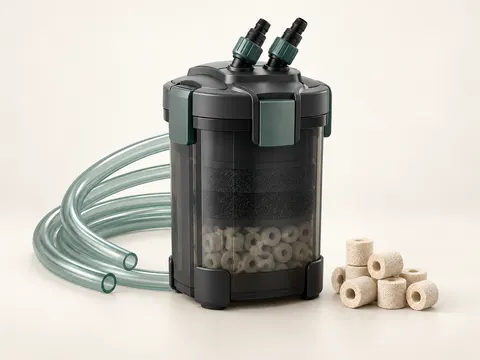
Supplies for Peacock Bass Orinocensis
We may earn from qualifying purchases



Peacock Bass Orinocensis Compatibility Notes
Classified as aggressive, the Peacock Bass Orinocensis is adaptable and can be kept singly or in a small group, offering flexibility when planning a community tank. When choosing tankmates, any fish small enough to fit in its mouth will likely be eaten, territorial behaviour may cause issues if hiding spots or floor space are limited, and their energetic swimming style may stress more sedentary or timid species. Selecting tankmates that favour different water layers from the mid-level and surface zones can help reduce competition and territorial overlap.
Who Peacock Bass Orinocensis Is Actually For
Peacock Bass Orinocensis is best for a fishkeeper who expects a species with attitude and plans the tank around that behavior and can provide someone who understands its individual space requirements. It makes the most sense for a hobbyist who will actually build around its needs, especially sand.
The most common mistake is treating Peacock Bass Orinocensis like any other community fish and skipping the soft sand it needs to forage safely. Another frequent problem is forcing it into an over-busy community when it would do better with more room or more deliberate tankmate choices.
Frequently Asked Questions About Peacock Bass Orinocensis
How big does Peacock Bass Orinocensis get?
Peacock Bass Orinocensis (Cichla orinocensis) typically reaches a maximum adult size of approximately 60 cm. They have a fusiform body shape and a fast growth rate.
What tank size does Peacock Bass Orinocensis need?
A minimum aquarium volume of 750 litres and a tank length of at least 200 cm are recommended for Peacock Bass Orinocensis. This ensures enough swimming space and helps maintain stable water conditions.
What water parameters does Peacock Bass Orinocensis need?
Peacock Bass Orinocensis thrives in freshwater only conditions with a temperature range of 26–31°C, a pH between 5.5 and 7.5, and a general hardness of 2–15 dGH. A moderate water flow is preferred.
Is Peacock Bass Orinocensis peaceful or aggressive?
Peacock Bass Orinocensis is classified as aggressive with an aggression score of 8 out of 10. Careful tankmate selection is essential to avoid conflict.
Can Peacock Bass Orinocensis live alone?
Yes, Peacock Bass Orinocensis can be kept singly or in a group. They are flexible and adapt well to both setups.
Does Peacock Bass Orinocensis have any special tank requirements?
Yes. Peacock Bass Orinocensis benefits from sand (sifters), smooth gravel (sensitive barbels), and driftwood (digestion/hiding) in the aquarium. These features help replicate their natural habitat and promote overall health and well-being.
Does Peacock Bass Orinocensis need a lid on the tank?
Yes. Peacock Bass Orinocensis is a known jumper, and a tight-fitting lid or cover is essential to prevent escape. Even a small gap can be enough for a determined fish to leap out.
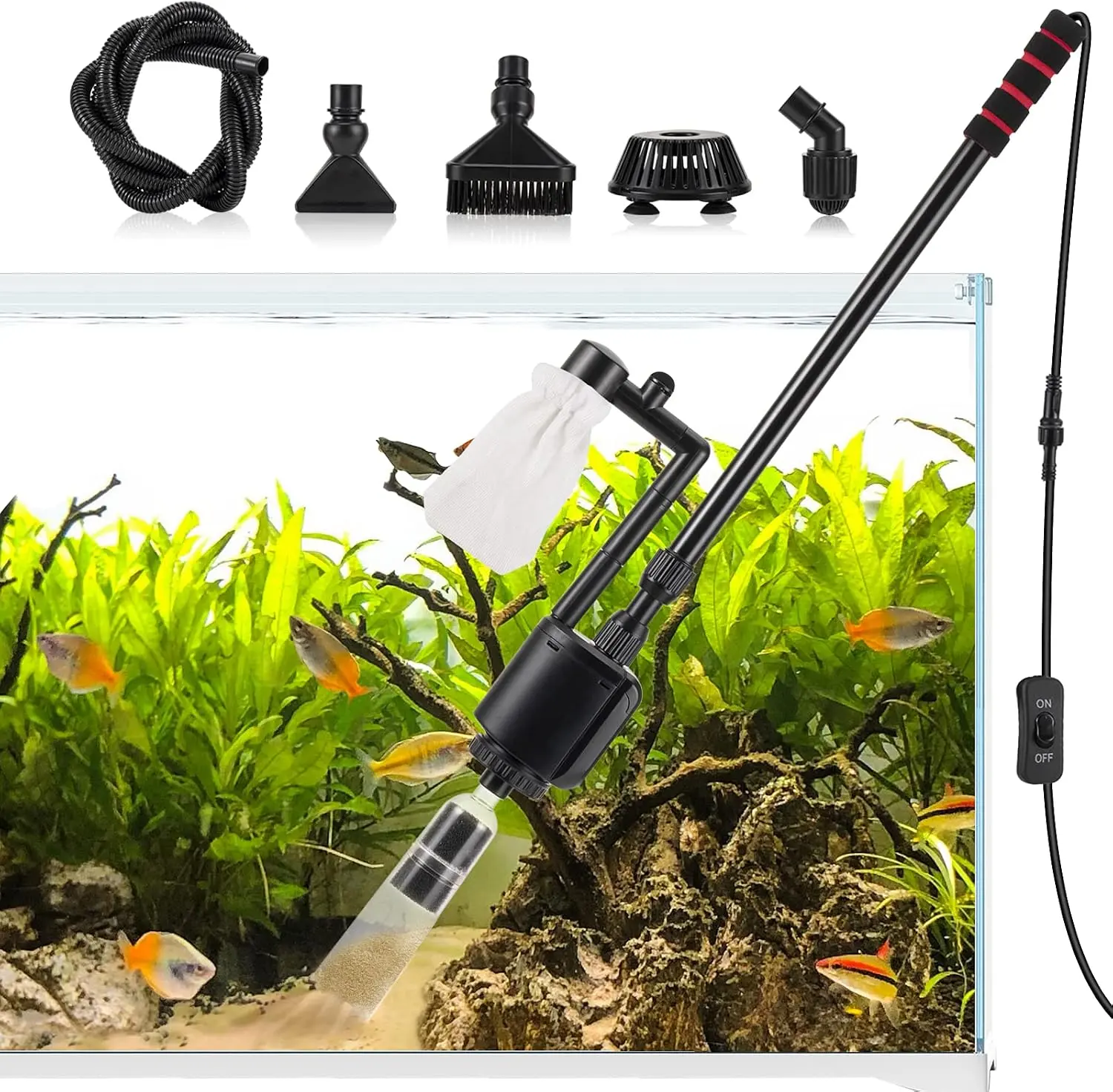
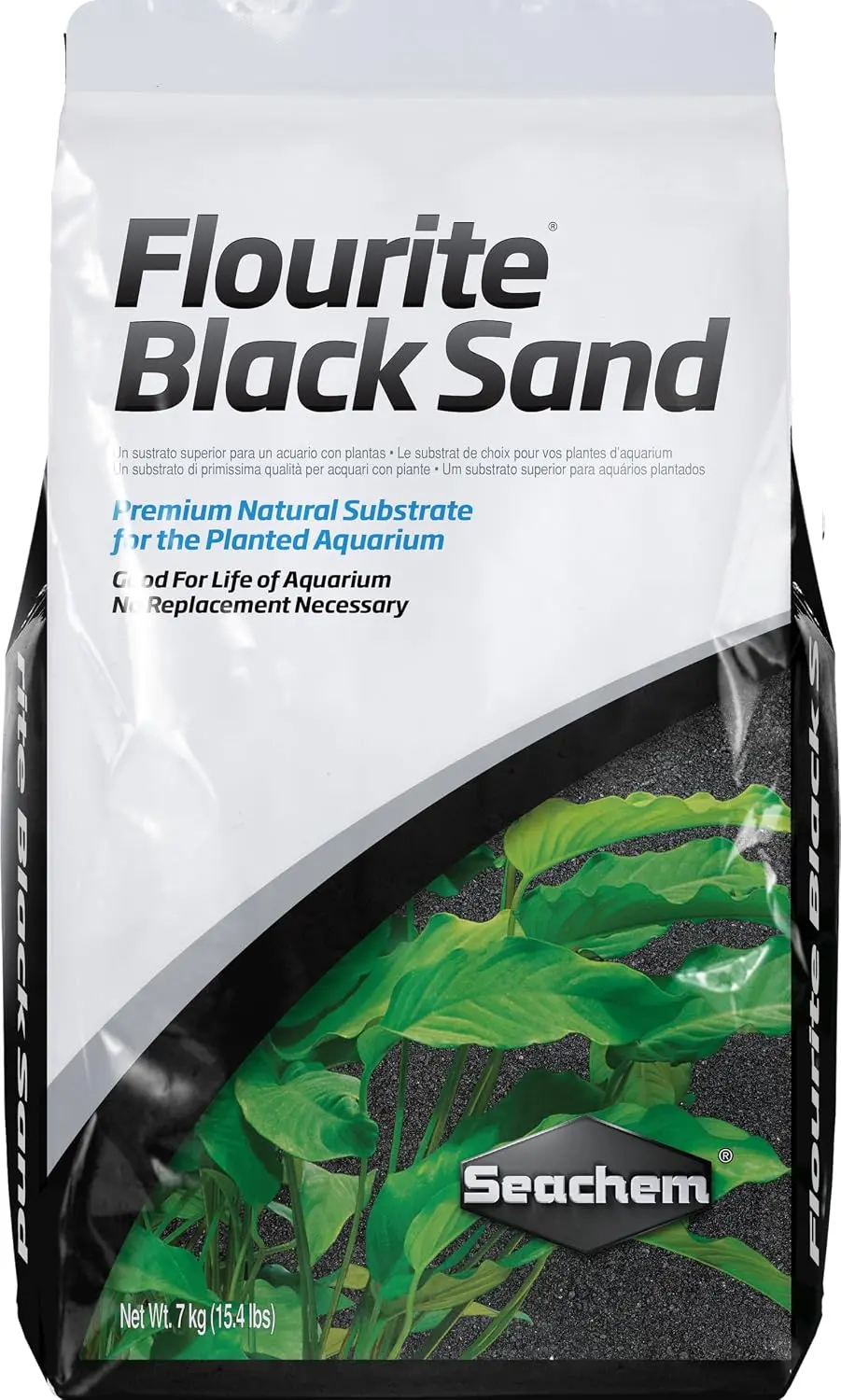
Useful setup supplies
We may earn from qualifying purchases


Guidarium Editorial Desk
Reviewed against Guidarium care, stocking, and compatibility standards. Read the editorial policy.
- Last reviewed
- May 7, 2026
- Last updated
- May 7, 2026
- Issues or corrections?
- Contact the editorial team
Plants That Suit Peacock Bass Orinocensis
These plants pair well with Peacock Bass Orinocensis based on shared water preferences, layout fit, and how likely they are to hold up in the same aquarium.
Afzel's Anubias
Anubias afzelii
Anubias Barteri
Anubias barteri
Belinda's Buce
Bucephalandra belindae
Buce Motleyana
Bucephalandra motleyana
Congo Anubias
Anubias heterophylla
Crepidomanes Fern
Crepidomanes auriculatum
Fish Similar to Peacock Bass Orinocensis
Peacock Bass Ocellaris
Cichla ocellaris
A massive, incredibly fast-swimming predatory cichlid native to South America. Known for their striking colors and voracious appetite, they are strictly for advanced 'monster fish' keepers. They possess highly expandable mouths and will eat absolutely any fish that fits inside. Despite their predatory nature, they are generally not aggressive towards tank mates they cannot swallow.
Peacock Bass Temensis
Cichla temensis
The undisputed king of the Peacock Bass family and one of the largest cichlids in the world. Native to the Amazon basin, they are apex open-water predators. In the aquarium hobby, they are true 'monster fish' requiring massive, custom-built tanks or indoor ponds and exceptional filtration due to their enormous bioload and strictly piscivorous diet.
Peacock Bass Monoculus
Cichla monoculus
A massive, powerful apex predator native to the Amazon basin. Known for their striking colors and explosive feeding strikes, Peacock Bass require enormous aquariums and heavy filtration. As dedicated piscivores, they will consume any fish small enough to fit in their cavernous mouths.
Red Peacock (Ruby Red)
Aulonocara sp. 'Rubescens'
A stunning, line-bred Peacock cichlid originating from Lake Malawi. Known for their vibrant red/orange coloration. As part of the Aulonocara genus, they possess specialized sensory pores on their lower jaw used to detect micro-prey hidden in the substrate, making fine sand an absolute requirement. They are moderately aggressive but generally more peaceful than Mbuna cichlids.
Peacock Cichlid (Aulonocara)
Aulonocara sp.
Endemic to Lake Malawi, Peacock Cichlids are highly sought after for the breathtaking colors of the males. They are benthivorous, using sensory pores on their jaws to hunt small invertebrates in the sand. While territorial, they are generally peaceful compared to their aggressive Mbuna cousins. They require hard, alkaline water and a sandy substrate to prevent gill damage while sifting.
Hongsloi Apistogramma
Apistogramma hongsloi
A striking dwarf cichlid native to the Orinoco River basin in South America. They are popular for their vivid red, yellow, and blue colors. Best kept in blackwater setups with soft, acidic water and plenty of leaf litter. They form harems and require sand substrate, as they sift sand through their gills to find food.