
Msobo Mbuna
Metriaclima sp. "Msobo"
A highly prized Mbuna from Lake Malawi famous for extreme sexual dimorphism. They are rock-dwelling aufwuchs grazers that require hard, alkaline water. Like most Mbuna, they are highly territorial and aggressive, requiring overstocking and careful male-to-female ratios (harems) to disperse aggression. A minimum 4-foot tank with copious rockwork is mandatory.
Msobo Mbuna At a Glance
Msobo Mbuna Tank Requirements
Will Msobo Mbuna fit in your tank?
Care guides tell you what Msobo Mbuna needs, the next question is whether your tank can safely provide it. Test Msobo Mbuna against your tank size, maintenance needs, and the fish you already keep before you buy.
Msobo Mbuna Water Parameters
Msobo Mbuna Temperament & Compatibility
Msobo Mbuna Varieties
Each variety inherits the species defaults above. Only differences are highlighted.
Male
Mature males undergo a stunning transition from yellow to a deep, mottled blue/black pattern. They are fiercely territorial and will not tolerate other males of their own kind.
Differs in 3 traits from base species
Also known as: Blue Msobo, Dominant Male
Female
Females maintain a vibrant, solid yellow-orange coloration for their entire lives. They establish a pecking order but are significantly less aggressive than males. Must be kept in a harem (3-4+ females per male).
Differs in 2 traits from base species
Also known as: Yellow Msobo, Orange Mbuna
Juvenile / Unsexed
All Msobo are born yellow/orange and are indistinguishable from females until males begin 'smudging' (turning blue) at around 2-3 inches. Buy in groups of 8-10 to grow out and ensure a proper harem ratio, rehoming excess males later.
Differs in 5 traits from base species
Also known as: Baby Msobo, Grow-out
Msobo Mbuna Care Guide Summary
The Msobo Mbuna, scientifically known as Metriaclima sp. "Msobo", belongs to the Cichlids - African family group. Adults reach a maximum size of approximately 11 cm and have a fusiform body shape with a moderate growth rate. Classified as aggressive, this species primarily occupies the mid-level and bottom zones of the aquarium and produces a high level of biological waste.
To thrive, the Msobo Mbuna requires a freshwater only aquarium with a minimum volume of 200 litres and a tank length of at least 120 cm. Water temperature should be maintained between 24°C and 28°C, with a pH range of 7.8–8.6 and a general hardness of 10–25 dGH. A moderate water flow is preferred.
Due to its specialist needs, the Msobo Mbuna is best suited for fishkeepers who can provide a carefully planned setup. This species is available in 3 varieties: Male, Female, and Juvenile / Unsexed. Each may differ slightly in size, temperament, or care needs, so it is worth checking the specific requirements of the variety you plan to keep.
Msobo Mbuna Habitat Setup
When setting up an aquarium for the Msobo Mbuna, a moderate water flow best suits their natural preferences. Because this species occupies the mid-level and bottom zones, the aquarium layout should prioritise open swimming space in the centre of the tank for free movement and sufficient floor space with hiding spots among rocks, wood, or dense planting. Useful additions include a sand substrate to accommodate their sifting behaviour and an established tank with natural algae growth, as they depend on it as a primary food source. Keepers should note that expect substrate disturbance, so lightweight décor should be secured and live planted layouts may be difficult to maintain, as this species tends to uproot or consume vegetation.
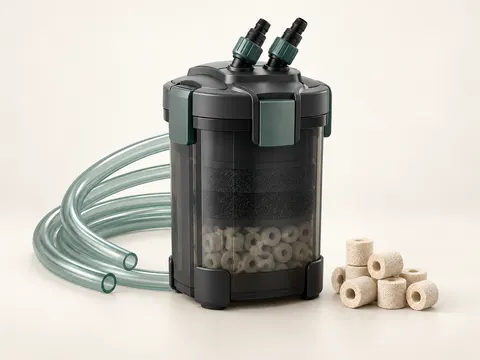
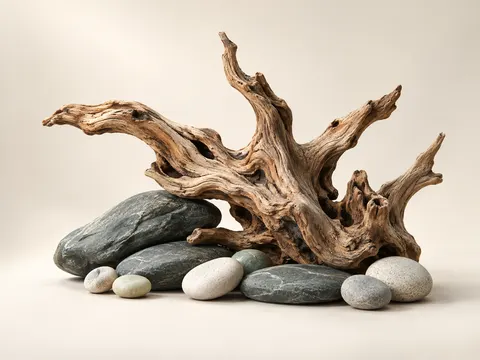
Supplies for Msobo Mbuna
We may earn from qualifying purchases


Msobo Mbuna Compatibility Notes
Classified as aggressive, the Msobo Mbuna is a social species that requires the company of its own kind to thrive. When choosing tankmates, conspecific aggression can be intense, especially in smaller tanks and territorial behaviour may cause issues if hiding spots or floor space are limited. Selecting tankmates that favour different water layers from the mid-level and bottom zones can help reduce competition and territorial overlap.
Who Msobo Mbuna Is Actually For
Msobo Mbuna is best for a fishkeeper who expects a species with attitude and plans the tank around that behavior and can provide a keeper who can commit to a proper group of at least 4. It makes the most sense for a hobbyist who will actually build around its needs, especially sand.
The most common mistake is treating Msobo Mbuna like any other community fish and skipping the soft sand it needs to forage safely. Another frequent problem is underestimating its social needs. A token pair or trio often behaves very differently from a real group.
Msobo Mbuna Recommended Tank Sizes
Standard aquarium sizes that meet the minimum volume and length requirements for Msobo Mbuna.
75 Gallon Standard
90 Gallon Standard
125 Gallon Standard
150 Gallon High
180 Gallon Standard
240 Liter (120cm Standard)
Frequently Asked Questions About Msobo Mbuna
How big does Msobo Mbuna get?
Msobo Mbuna (Metriaclima sp. "Msobo") typically reaches a maximum adult size of approximately 11 cm. They have a fusiform body shape and a moderate growth rate.
What tank size does Msobo Mbuna need?
A minimum aquarium volume of 200 litres and a tank length of at least 120 cm are recommended for Msobo Mbuna. This ensures enough swimming space and helps maintain stable water conditions.
What water parameters does Msobo Mbuna need?
Msobo Mbuna thrives in freshwater only conditions with a temperature range of 24–28°C, a pH between 7.8 and 8.6, and a general hardness of 10–25 dGH. A moderate water flow is preferred.
Is Msobo Mbuna peaceful or aggressive?
Msobo Mbuna is classified as aggressive with an aggression score of 8 out of 10. Careful tankmate selection is essential to avoid conflict.
Can Msobo Mbuna live alone?
No, Msobo Mbuna should be kept in groups of at least 4 to reduce stress and encourage natural behaviour.
Does Msobo Mbuna have any special tank requirements?
Yes. Msobo Mbuna benefits from sand (sifters) and established algae (otocinclus) in the aquarium. These features help replicate their natural habitat and promote overall health and well-being.
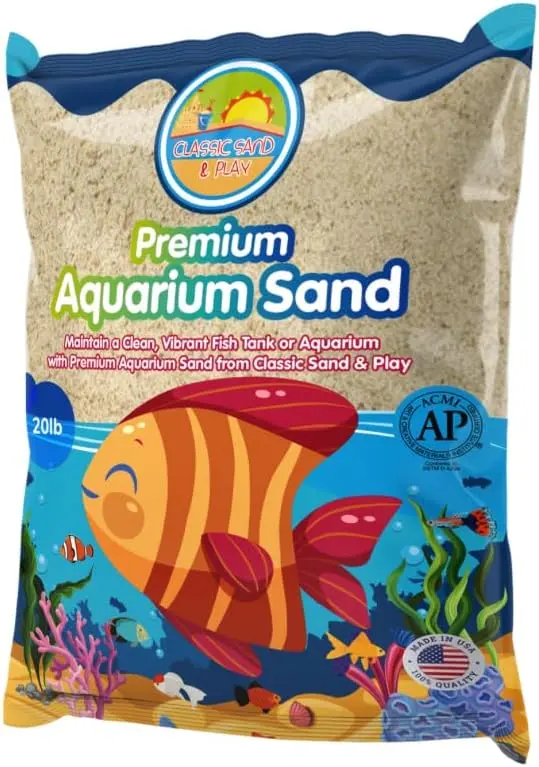
Useful setup supplies
We may earn from qualifying purchases



Guidarium Editorial Desk
Reviewed against Guidarium care, stocking, and compatibility standards. Read the editorial policy.
- Last reviewed
- May 6, 2026
- Last updated
- May 6, 2026
- Issues or corrections?
- Contact the editorial team
Plants That Suit Msobo Mbuna
These plants pair well with Msobo Mbuna based on shared water preferences, layout fit, and how likely they are to hold up in the same aquarium.
Afzel's Anubias
Anubias afzelii
Anubias Barteri
Anubias barteri
Congo Anubias
Anubias heterophylla
Gillet's Anubias
Anubias gilletii
Java Fern
Leptochilus pteropus
Pothos
Epipremnum aureum
Fish Similar to Msobo Mbuna
Demasoni Cichlid (Mbuna)
Chindongo demasoni
A stunning but notoriously aggressive dwarf Mbuna from Lake Malawi. Known for its intense dark blue and black vertical stripes. They are strict herbivores (Aufwuchs grazers) and prone to 'Malawi Bloat' if fed high-protein diets. Due to extreme aggression toward their own kind, they require specific stocking densities.
Saulosi Cichlid
Chindongo saulosi
A critically endangered 'dwarf' Mbuna cichlid from Lake Malawi, famous for its extreme sexual dimorphism. Females and juveniles are a vibrant, solid yellow, while dominant males transform into a striking light blue with thick black vertical bars. Like all Mbuna, they are rock-dwelling aufwuchs grazers that require a strict harem structure (1 male to 3+ females) to manage their aggressive and territorial nature.
Chipokae Mbuna
Melanochromis chipokae
A highly aggressive, torpedo-shaped Mbuna cichlid endemic to Lake Malawi. Known for intense sexual dimorphism, this species is extremely territorial. They require a rock-heavy setup to provide caves and break sightlines, along with hard, alkaline water. They graze on algae (Aufwuchs) and require a low-protein diet to prevent Malawi bloat.
Auratus Cichlid (Mbuna)
Melanochromis auratus
The Auratus Cichlid is a stunning but notoriously aggressive Mbuna from Lake Malawi. They exhibit extreme sexual dimorphism. They are strictly rock-dwellers that graze on algae (aufwuchs). Due to their hyper-aggressive nature, they must be kept in species-only or carefully managed, overstocked Mbuna setups with a strict harem ratio (1 male to several females) to disperse aggression.
Trewavas' Cichlid
Labeotropheus trewavasae
A distinctive, rock-dwelling Mbuna from Lake Malawi easily identified by its fleshy, overhanging snout. They use this specialized mouth to scrape algae (aufwuchs) from rocks while remaining parallel to the surface. Highly active and aggressively territorial, they require a heavily rock-scaped tank, hard alkaline water, and a strict herbivorous diet to prevent 'Malawi bloat'.
Aurora Yellow Mbuna
Metriaclima sp. "Aurora Yellow"
A striking and highly active Mbuna from Lake Malawi, scientifically described as Metriaclima mossambicum. Like most Mbuna, they are fiercely territorial rock-dwellers that require hard, alkaline water. They are specialized algae grazers (Aufwuchs feeders) and need a heavily plant-based diet to prevent deadly digestive issues like 'Malawi Bloat'. They must be kept in a harem structure (one male to multiple females) to disperse their severe aggression.