
Malawi Eyebiter
Dimidiochromis compressiceps
A large, highly specialized predatory cichlid endemic to Lake Malawi. Named for its legendary habit of biting the eyes out of prey (though it mostly swallows smaller fish whole), it features an extremely compressed body used to camouflage among reeds before ambushing its target. Males turn brilliant metallic blue, while females remain silver.
Malawi Eyebiter At a Glance
Malawi Eyebiter Tank Requirements
Will Malawi Eyebiter fit in your tank?
Care guides tell you what Malawi Eyebiter needs, the next question is whether your tank can safely provide it. Test Malawi Eyebiter against your tank size, maintenance needs, and the fish you already keep before you buy.
Malawi Eyebiter Water Parameters
Malawi Eyebiter Temperament & Compatibility
Malawi Eyebiter Varieties
Each variety inherits the species defaults above. Only differences are highlighted.
Male
Adult males develop a stunning metallic blue coloration with orange/red accents on the anal fin. They are highly territorial and aggressive towards other males. Best kept as a single male with multiple females (a harem).
Differs in 3 traits from base species
Also known as: Blue Eyebiter, Dominant Male
Female
Females retain the juvenile silver coloration with a dark horizontal stripe running down the body. They are generally less aggressive than males and can be kept in groups to form a harem.
Differs in 2 traits from base species
Also known as: Silver, Harem
Juvenile (Grow-out)
Young Eyebiters are silver and often sold at 5-7cm. While they can temporarily reside in a 55-gallon (200L) tank, they grow rapidly and will soon require a massive aquarium. Warning: Even at this size, they are efficient predators.
Differs in 4 traits from base species
Also known as: Baby, Unsexed
Malawi Eyebiter Care Guide Summary
The Malawi Eyebiter, scientifically known as Dimidiochromis compressiceps, belongs to the Cichlids - African family group. Adults reach a maximum size of approximately 25 cm and have a compressed body shape with a fast growth rate. Classified as aggressive, this species primarily occupies the surface and mid-level zones of the aquarium and produces a high level of biological waste.
To thrive, the Malawi Eyebiter requires a freshwater only aquarium with a minimum volume of 475 litres and a tank length of at least 150 cm. Water temperature should be maintained between 23°C and 28°C, with a pH range of 7.8–8.6 and a general hardness of 10–25 dGH. A moderate water flow is preferred.
Due to its specialist needs, the Malawi Eyebiter is best suited for fishkeepers who can provide a carefully planned setup. This species is available in 3 varieties: Male, Female, and Juvenile (Grow-out). Each may differ slightly in size, temperament, or care needs, so it is worth checking the specific requirements of the variety you plan to keep.
Malawi Eyebiter Habitat Setup
When setting up an aquarium for the Malawi Eyebiter, a moderate water flow best suits their natural preferences. Because this species occupies the surface and mid-level zones, the aquarium layout should prioritise adequate surface area with floating cover to make them feel secure near the waterline and open swimming space in the centre of the tank for free movement. Useful additions include a sand substrate to accommodate their sifting behaviour and dense planting to provide cover, break sightlines, and reduce stress. Keepers should note that a tight-fitting lid is essential, as this species is a known jumper.
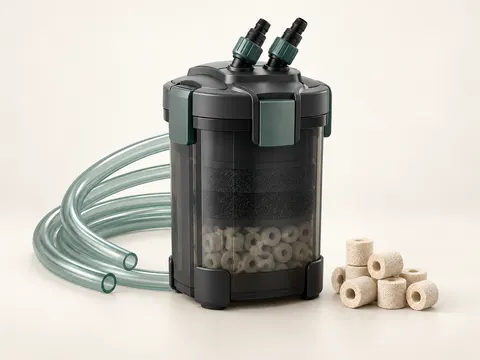
Supplies for Malawi Eyebiter
We may earn from qualifying purchases



Malawi Eyebiter Compatibility Notes
Classified as aggressive, the Malawi Eyebiter is adaptable and can be kept singly or in a small group, offering flexibility when planning a community tank. When choosing tankmates, any fish small enough to fit in its mouth will likely be eaten and conspecific aggression can be intense, especially in smaller tanks. Selecting tankmates that favour different water layers from the surface and mid-level zones can help reduce competition and territorial overlap.
Who Malawi Eyebiter Is Actually For
Malawi Eyebiter is best for a fishkeeper who expects a species with attitude and plans the tank around that behavior and can provide someone who understands its individual space requirements. It makes the most sense for a hobbyist who will actually build around its needs, especially sand.
The most common mistake is treating Malawi Eyebiter like any other community fish and skipping the soft sand it needs to forage safely. Another frequent problem is forcing it into an over-busy community when it would do better with more room or more deliberate tankmate choices.
Malawi Eyebiter Recommended Tank Sizes
Standard aquarium sizes that meet the minimum volume and length requirements for Malawi Eyebiter.
Frequently Asked Questions About Malawi Eyebiter
How big does Malawi Eyebiter get?
Malawi Eyebiter (Dimidiochromis compressiceps) typically reaches a maximum adult size of approximately 25 cm. They have a compressed body shape and a fast growth rate.
What tank size does Malawi Eyebiter need?
A minimum aquarium volume of 475 litres and a tank length of at least 150 cm are recommended for Malawi Eyebiter. This ensures enough swimming space and helps maintain stable water conditions.
What water parameters does Malawi Eyebiter need?
Malawi Eyebiter thrives in freshwater only conditions with a temperature range of 23–28°C, a pH between 7.8 and 8.6, and a general hardness of 10–25 dGH. A moderate water flow is preferred.
Is Malawi Eyebiter peaceful or aggressive?
Malawi Eyebiter is classified as aggressive with an aggression score of 8 out of 10. Careful tankmate selection is essential to avoid conflict.
Can Malawi Eyebiter live alone?
Yes, Malawi Eyebiter can be kept singly or in a group. They are flexible and adapt well to both setups.
Does Malawi Eyebiter have any special tank requirements?
Yes. Malawi Eyebiter benefits from sand (sifters) and plants - densely covered in the aquarium. These features help replicate their natural habitat and promote overall health and well-being.
Does Malawi Eyebiter need a lid on the tank?
Yes. Malawi Eyebiter is a known jumper, and a tight-fitting lid or cover is essential to prevent escape. Even a small gap can be enough for a determined fish to leap out.
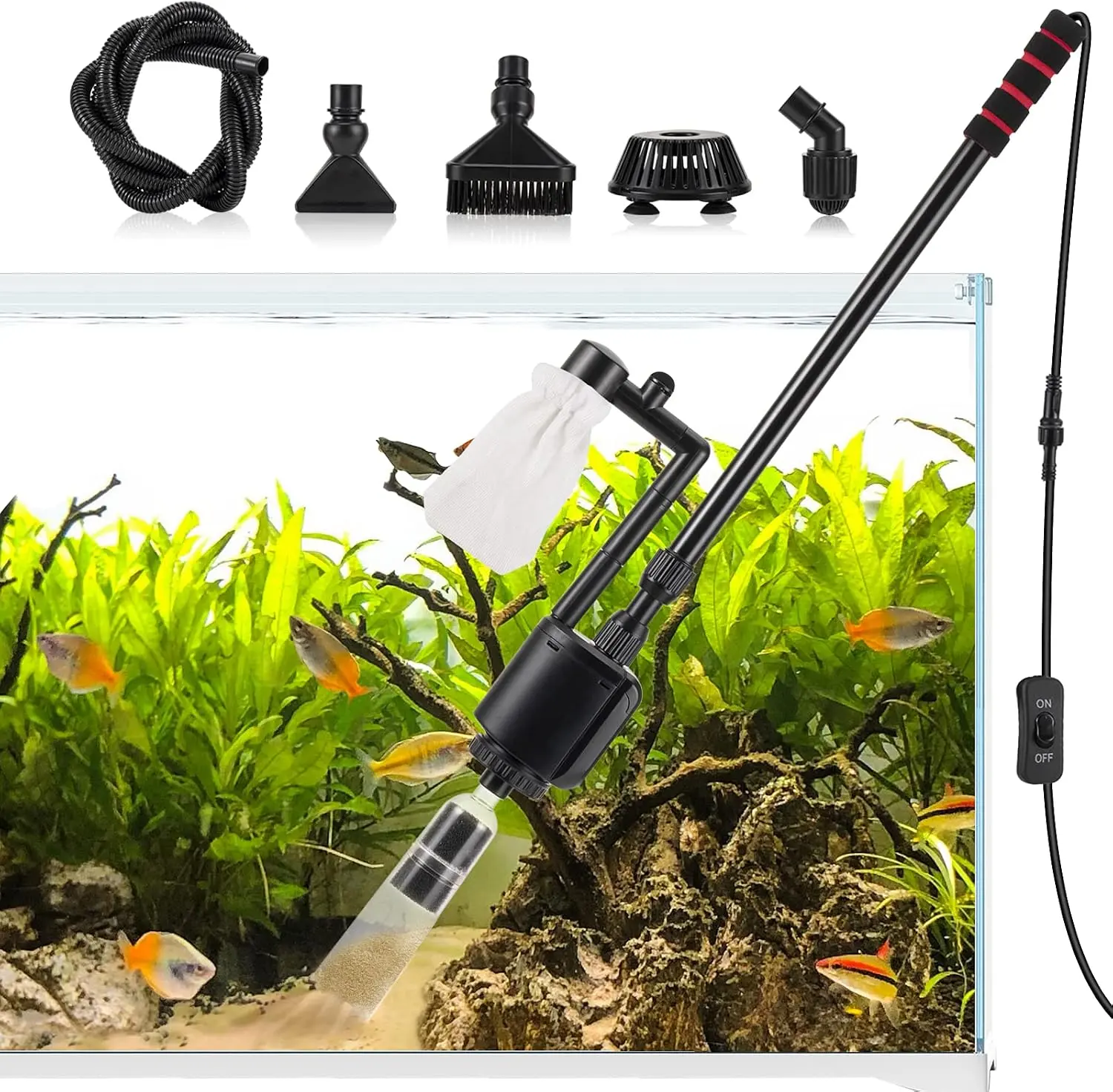
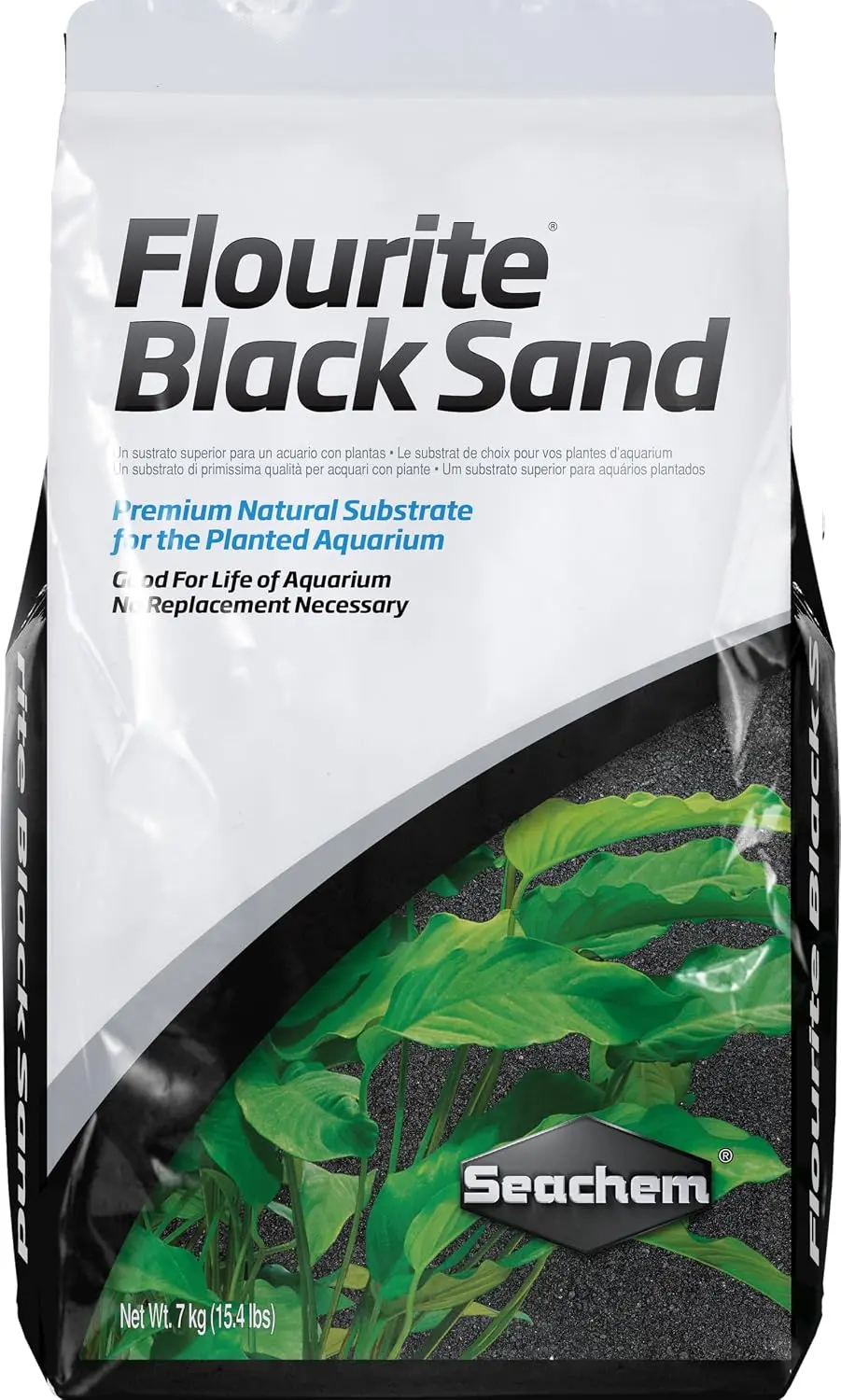
Useful setup supplies
We may earn from qualifying purchases


Guidarium Editorial Desk
Reviewed against Guidarium care, stocking, and compatibility standards. Read the editorial policy.
- Last reviewed
- May 4, 2026
- Last updated
- May 4, 2026
- Issues or corrections?
- Contact the editorial team
Plants That Suit Malawi Eyebiter
These plants pair well with Malawi Eyebiter based on shared water preferences, layout fit, and how likely they are to hold up in the same aquarium.
Afzel's Anubias
Anubias afzelii
Anubias Barteri
Anubias barteri
Balansae
Cryptocoryne crispatula
Broadleaf Crinum
Crinum natans
Broadleaf Sword
Echinodorus bleheri
Compact Aponogeton
Aponogeton ulvaceus
Fish Similar to Malawi Eyebiter
Malawi Gar
Lichnochromis acuticeps
An elegant, predatory Haplochromine cichlid from Lake Malawi, named for its elongated, torpedo-shaped body and pointed snout. While it is a true piscivore that will hunt small fish, it is surprisingly peaceful toward other similarly sized cichlids. A fantastic centerpiece for a large 'Hap and Peacock' setup.
Malawi Hawk
Aristochromis christyi
A large, specialized predatory cichlid native to Lake Malawi, commonly known as the 'Malawi Hawk'. It has a distinctive laterally compressed beak-like jaw and hunts by tilting forward to ambush prey. It is a formidable piscivore that will swallow any fish small enough to fit in its mouth. Best kept in a large Hap/Peacock setup with similarly sized, robust tank mates.
Grant's Peacock Cichlid
Aulonocara stuartgranti
A stunning endemic cichlid from Lake Malawi known as a 'Peacock'. They feature specialized sensory pores on their lower jaw to hunt small invertebrates in the sand. Requires hard, alkaline water and a soft sandy substrate to prevent damage to their gills during natural sifting behavior.
Butterfly Peacock Cichlid
Aulonocara jacobfreibergi
One of the most colorful and slightly more aggressive Peacock cichlids from Lake Malawi. They are obligate sand-sifters that search for benthic invertebrates. They require hard, alkaline water and plenty of rocky caves. Like most Aulonocara, they exhibit extreme sexual dimorphism.
Peacock Cichlid (Aulonocara)
Aulonocara sp.
Endemic to Lake Malawi, Peacock Cichlids are highly sought after for the breathtaking colors of the males. They are benthivorous, using sensory pores on their jaws to hunt small invertebrates in the sand. While territorial, they are generally peaceful compared to their aggressive Mbuna cousins. They require hard, alkaline water and a sandy substrate to prevent gill damage while sifting.
Buccochromis rhoadesii
Buccochromis rhoadesii
A massive, apex-predator Haplochromine cichlid endemic to Lake Malawi. They are open-water pursuit predators characterized by an immense mouth and a distinct diagonal stripe across the body. Due to their enormous adult size and strictly piscivorous nature, they require massive aquariums and can only be housed with similarly large, robust species. Any tank mate small enough to fit in their mouth will be eaten.