
Flagtail Prochilodus
Semaprochilodus insignis
A large, highly active South American river fish famous for its vividly striped tail and prolific algae-eating habits. They are a staple 'cleaner' in large monster fish setups alongside Arowanas and Stingrays. While peaceful towards other large species, they are fiercely intolerant of their own kind unless kept in large shoals. They are notorious plant destroyers.
Flagtail Prochilodus At a Glance
Flagtail Prochilodus Tank Requirements
Will Flagtail Prochilodus fit in your tank?
Care guides tell you what Flagtail Prochilodus needs, the next question is whether your tank can safely provide it. Test Flagtail Prochilodus against your tank size, maintenance needs, and the fish you already keep before you buy.
Flagtail Prochilodus Water Parameters
Flagtail Prochilodus Temperament & Compatibility
Flagtail Prochilodus Varieties
Each variety inherits the species defaults above. Only differences are highlighted.
Adult / Standard
The full-grown adult. Highly active and requires massive swimming space. An excellent biological cleaner for large predator tanks. Should be kept strictly alone (1) or in large groups (6+) to disperse severe conspecific aggression.
Same care requirements as the base species
Also known as: Adult Flagtail, Adult Fei Feng
Juvenile (Grow-out)
Juveniles are commonly sold around 8-10cm. They are voracious eaters, grow rapidly, and will quickly outgrow standard aquariums. Excellent at stripping algae but will decimate planted tanks.
Differs in 4 traits from base species
Also known as: Baby Flagtail, Juvenile Fei Feng
Flagtail Prochilodus Care Guide Summary
The Flagtail Prochilodus, scientifically known as Semaprochilodus insignis, belongs to the Characins family group. Adults reach a maximum size of approximately 30 cm and have a compressed body shape with a moderate growth rate. Classified as semi-aggressive, this species primarily occupies the mid-level and bottom zones of the aquarium and produces a extreme level of biological waste.
To thrive, the Flagtail Prochilodus requires a freshwater only aquarium with a minimum volume of 500 litres and a tank length of at least 150 cm. Water temperature should be maintained between 23°C and 28°C, with a pH range of 5.5–7.5 and a general hardness of 2–15 dGH. A high water flow is preferred.
The Flagtail Prochilodus is a rewarding species to keep, provided its core environmental needs are met. This species is available in 2 varieties: Adult / Standard and Juvenile (Grow-out). Each may differ slightly in size, temperament, or care needs, so it is worth checking the specific requirements of the variety you plan to keep.
Flagtail Prochilodus Habitat Setup
When setting up an aquarium for the Flagtail Prochilodus, a high water flow best suits their natural preferences. Because this species occupies the mid-level and bottom zones, the aquarium layout should prioritise open swimming space in the centre of the tank for free movement and sufficient floor space with hiding spots among rocks, wood, or dense planting. Useful additions include driftwood, which can serve as both a hiding place and a dietary supplement and an established tank with natural algae growth, as they depend on it as a primary food source. Keepers should note that a tight-fitting lid is essential, as this species is a known jumper and live planted layouts may be difficult to maintain, as this species tends to uproot or consume vegetation.
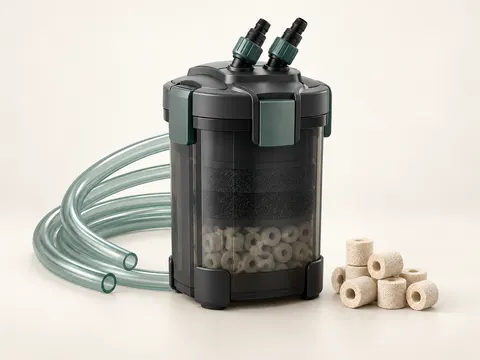
Supplies for Flagtail Prochilodus
We may earn from qualifying purchases



Flagtail Prochilodus Compatibility Notes
Classified as semi-aggressive, the Flagtail Prochilodus is adaptable and can be kept singly or in a small group, offering flexibility when planning a community tank. When choosing tankmates, conspecific aggression can be intense, especially in smaller tanks and their energetic swimming style may stress more sedentary or timid species. Selecting tankmates that favour different water layers from the mid-level and bottom zones can help reduce competition and territorial overlap.
Who Flagtail Prochilodus Is Actually For
Flagtail Prochilodus is best for a fishkeeper who wants a species that can settle into a calmer community setup and can provide someone who understands its individual space requirements. It makes the most sense for a hobbyist who will actually build around its needs, especially established algae.
The most common mistake is buying Flagtail Prochilodus for looks first and only later discovering how its adult size, behavior, or bioload changes the whole tank plan. Another frequent problem is forcing it into an over-busy community when it would do better with more room or more deliberate tankmate choices.
Flagtail Prochilodus Recommended Tank Sizes
Standard aquarium sizes that meet the minimum volume and length requirements for Flagtail Prochilodus.
Frequently Asked Questions About Flagtail Prochilodus
How big does Flagtail Prochilodus get?
Flagtail Prochilodus (Semaprochilodus insignis) typically reaches a maximum adult size of approximately 30 cm. They have a compressed body shape and a moderate growth rate.
What tank size does Flagtail Prochilodus need?
A minimum aquarium volume of 500 litres and a tank length of at least 150 cm are recommended for Flagtail Prochilodus. This ensures enough swimming space and helps maintain stable water conditions.
What water parameters does Flagtail Prochilodus need?
Flagtail Prochilodus thrives in freshwater only conditions with a temperature range of 23–28°C, a pH between 5.5 and 7.5, and a general hardness of 2–15 dGH. A high water flow is preferred.
Is Flagtail Prochilodus peaceful or aggressive?
Flagtail Prochilodus is classified as semi-aggressive with an aggression score of 6 out of 10. They can work in community setups but may clash with certain tankmates.
Can Flagtail Prochilodus live alone?
Yes, Flagtail Prochilodus can be kept singly or in a group. They are flexible and adapt well to both setups.
Does Flagtail Prochilodus have any special tank requirements?
Yes. Flagtail Prochilodus benefits from established algae (otocinclus) and driftwood (digestion/hiding) in the aquarium. These features help replicate their natural habitat and promote overall health and well-being.
Does Flagtail Prochilodus need a lid on the tank?
Yes. Flagtail Prochilodus is a known jumper, and a tight-fitting lid or cover is essential to prevent escape. Even a small gap can be enough for a determined fish to leap out.
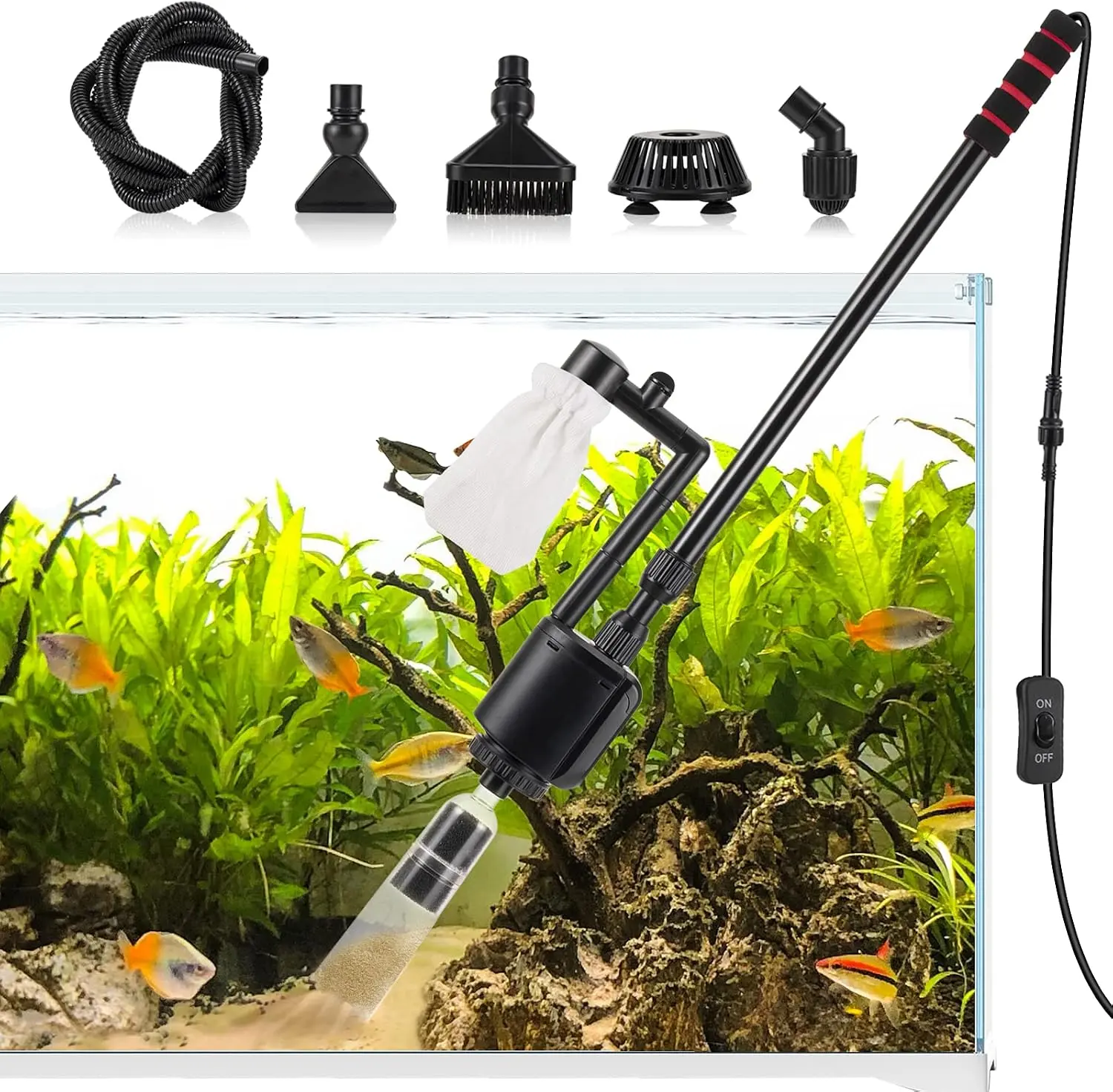
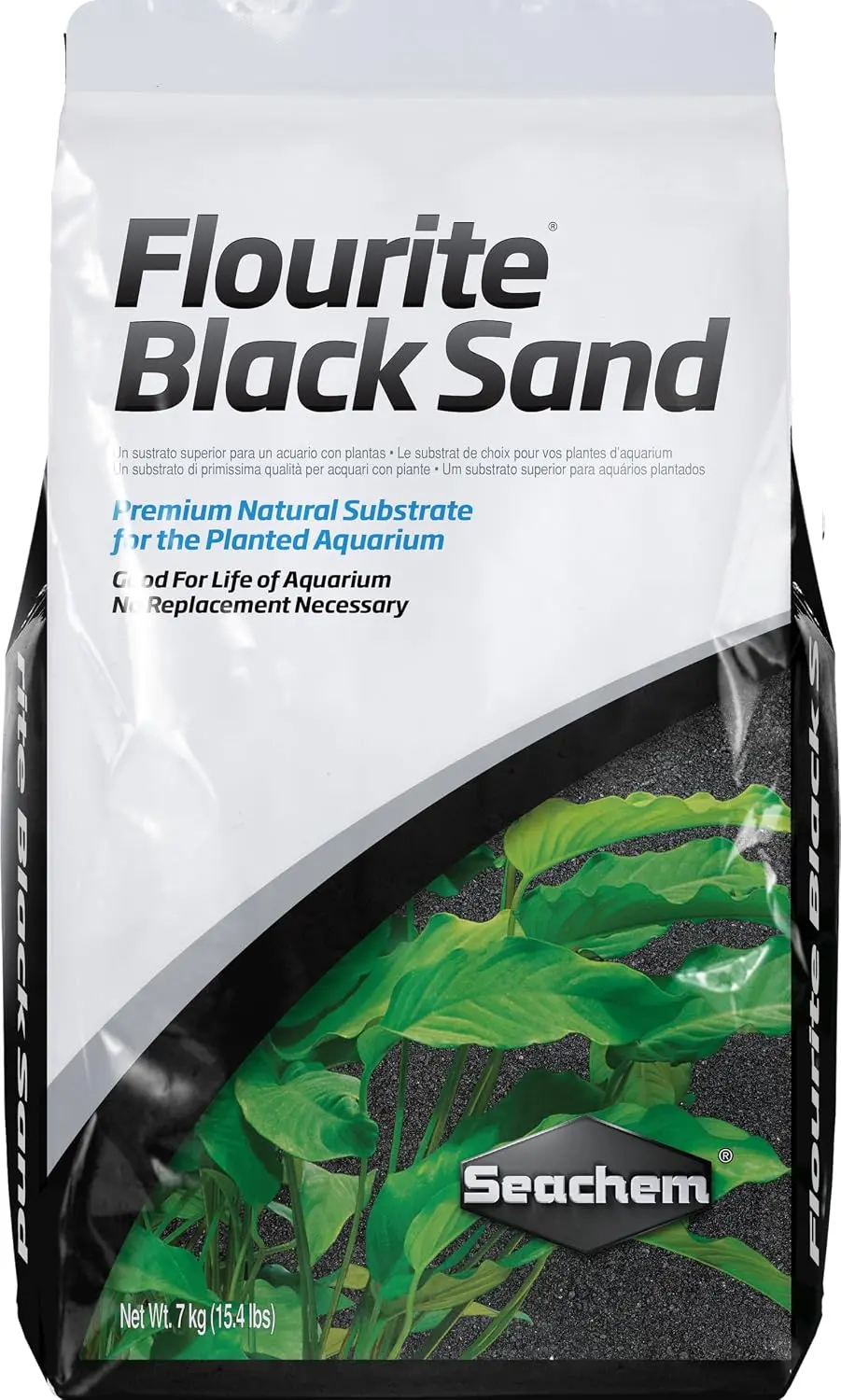
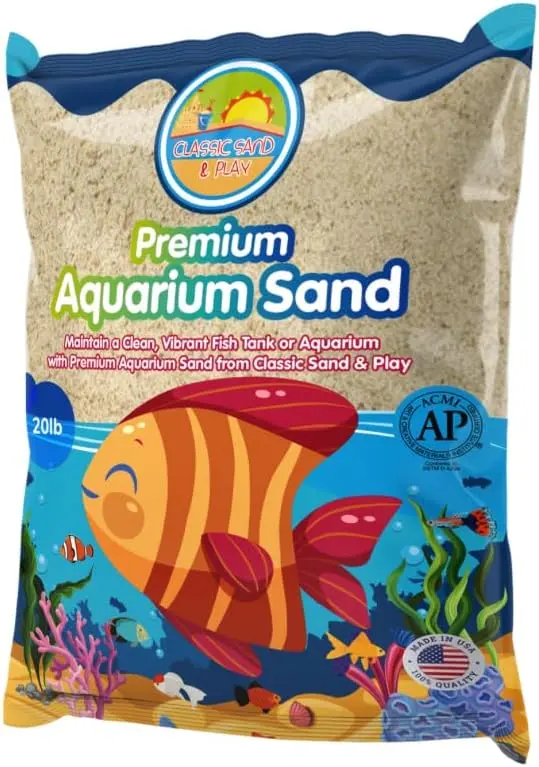
Useful setup supplies
We may earn from qualifying purchases

Guidarium Editorial Desk
Reviewed against Guidarium care, stocking, and compatibility standards. Read the editorial policy.
- Last reviewed
- May 6, 2026
- Last updated
- May 6, 2026
- Issues or corrections?
- Contact the editorial team
Plants That Suit Flagtail Prochilodus
These plants pair well with Flagtail Prochilodus based on shared water preferences, layout fit, and how likely they are to hold up in the same aquarium.
African Water Fern
Bolbitis heudelotii
Boivin's Aponogeton
Aponogeton boivinianus
Capuron's Aponogeton
Aponogeton capuronii
African Onion Plant
Crinum calamistratum
Afzel's Anubias
Anubias afzelii
Anubias Barteri
Anubias barteri
Fish Similar to Flagtail Prochilodus
Silver Prochilodus
Semaprochilodus taeniurus
A large, active riverine species famous for its striking striped tail and ability to consume massive amounts of algae. Commonly kept as a 'cleanup crew' in monster fish setups (with Arowanas or large Cichlids). They are peaceful towards other species but highly intolerant of their own kind unless kept in large shoals to disperse aggression.
Florida Flagfish
Jordanella floridae
A robust, deep-bodied killifish native to Florida. Unlike most killifish, they are primarily herbivores and are renowned for their ability to eat Hair Algae and sometimes Black Beard Algae. They are sub-tropical and thrive in unheated aquariums. They can be fin-nippers, especially if underfed or kept with long-finned tank mates.
Giant Whiptail Catfish
Proloricaria prolixa
Proloricaria prolixa (formerly Loricaria prolixa), commonly known as the Giant Whiptail, is a large, heavily armored catfish endemic to the upper Paraná River basin in Brazil. They are specialized benthic grazers that require cooler subtropical temperatures, strong water flow, and highly oxygenated water. Despite reaching impressive sizes (up to 35cm/14in), they are generally peaceful and feed primarily on periphyton and biofilm.
Motoro Stingray
Potamotrygon motoro
A spectacular but highly demanding freshwater stingray native to South America, instantly recognizable by its orange-spot 'peacock' pattern. They are massive, heavy-polluting predators that require huge aquariums with pristine water quality. A soft sand substrate is absolutely mandatory to prevent severe bacterial infections on their delicate underbellies. Note: They possess a venomous tail stinger.
Bulolo Rainbowfish
Chilatherina bulolo
A rare and highly active rainbowfish native to the fast-flowing mountain streams and white-water rapids of the Markham and Ramu river systems in Papua New Guinea. They possess a silvery body with a distinct black streak on the upper and lower edges of the caudal fin. Because of their specialized natural habitat, they require highly oxygenated, fast-flowing water and alkaline conditions to thrive in an aquarium.
Banded Rainbowfish
Melanotaenia trifasciata
A large, robust, and highly active schooling fish native to Northern Australia. Famous for its intense geographic color variations (such as the red 'Goyder River' morph). They are peaceful but incredibly fast and vigorous swimmers, requiring long aquariums with plenty of open swimming space.