
Chocolate Loricaria (L062)
Loricaria cataphracta
A fascinating, peaceful, and slender whiptail catfish from South America. They feature a heavily armored, flattened body and an under-slung sucker mouth. In the aquarium, they are largely nocturnal and enjoy partially burying themselves in fine sand. Unlike strict algae-eating plecos, they are omnivores leaning towards carnivore, requiring meaty foods like frozen bloodworms and sinking carnivore pellets.
Chocolate Loricaria (L062) At a Glance
Chocolate Loricaria (L062) Tank Requirements
Will Chocolate Loricaria (L062) fit in your tank?
Care guides tell you what Chocolate Loricaria (L062) needs, the next question is whether your tank can safely provide it. Test Chocolate Loricaria (L062) against your tank size, maintenance needs, and the fish you already keep before you buy.
Chocolate Loricaria (L062) Water Parameters
Chocolate Loricaria (L062) Temperament & Compatibility
Chocolate Loricaria (L062) Varieties
Each variety inherits the species defaults above. Only differences are highlighted.
Standard (Adult)
The adult Chocolate Loricaria reaches a significant length of around 10 inches (25 cm). Because they are mostly tail, their bioload is lower than a similarly sized standard pleco, but their sheer length requires a wide-footprint tank with open sandy areas.
Same care requirements as the base species
Also known as: Adult, Full Grown
Juvenile (Grow-out)
Often sold in stores at 3 to 4 inches. While they can be grown out in smaller aquariums temporarily, they grow rapidly and will quickly need a 4-foot tank. Ensure a fine sand substrate to prevent injury to their delicate undersides.
Differs in 4 traits from base species
Also known as: Baby, Juvenile L062
Chocolate Loricaria (L062) Care Guide Summary
The Chocolate Loricaria (L062), scientifically known as Loricaria cataphracta, belongs to the Catfish family group. Adults reach a maximum size of approximately 25 cm and have a depressed body shape with a moderate growth rate. Classified as peaceful, this species primarily occupies the bottom zone of the aquarium and produces a medium level of biological waste.
To thrive, the Chocolate Loricaria (L062) requires a freshwater only aquarium with a minimum volume of 200 litres and a tank length of at least 120 cm. Water temperature should be maintained between 23°C and 27°C, with a pH range of 6–7.5 and a general hardness of 2–10 dGH. A moderate water flow is preferred.
Due to its specialist needs, the Chocolate Loricaria (L062) is best suited for fishkeepers who can provide a carefully planned setup. This species is available in 2 varieties: Standard (Adult) and Juvenile (Grow-out). Each may differ slightly in size, temperament, or care needs, so it is worth checking the specific requirements of the variety you plan to keep.
Chocolate Loricaria (L062) Habitat Setup
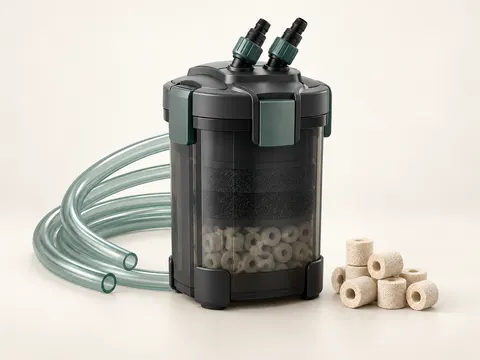
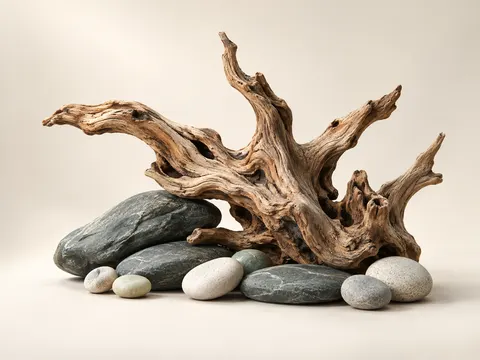
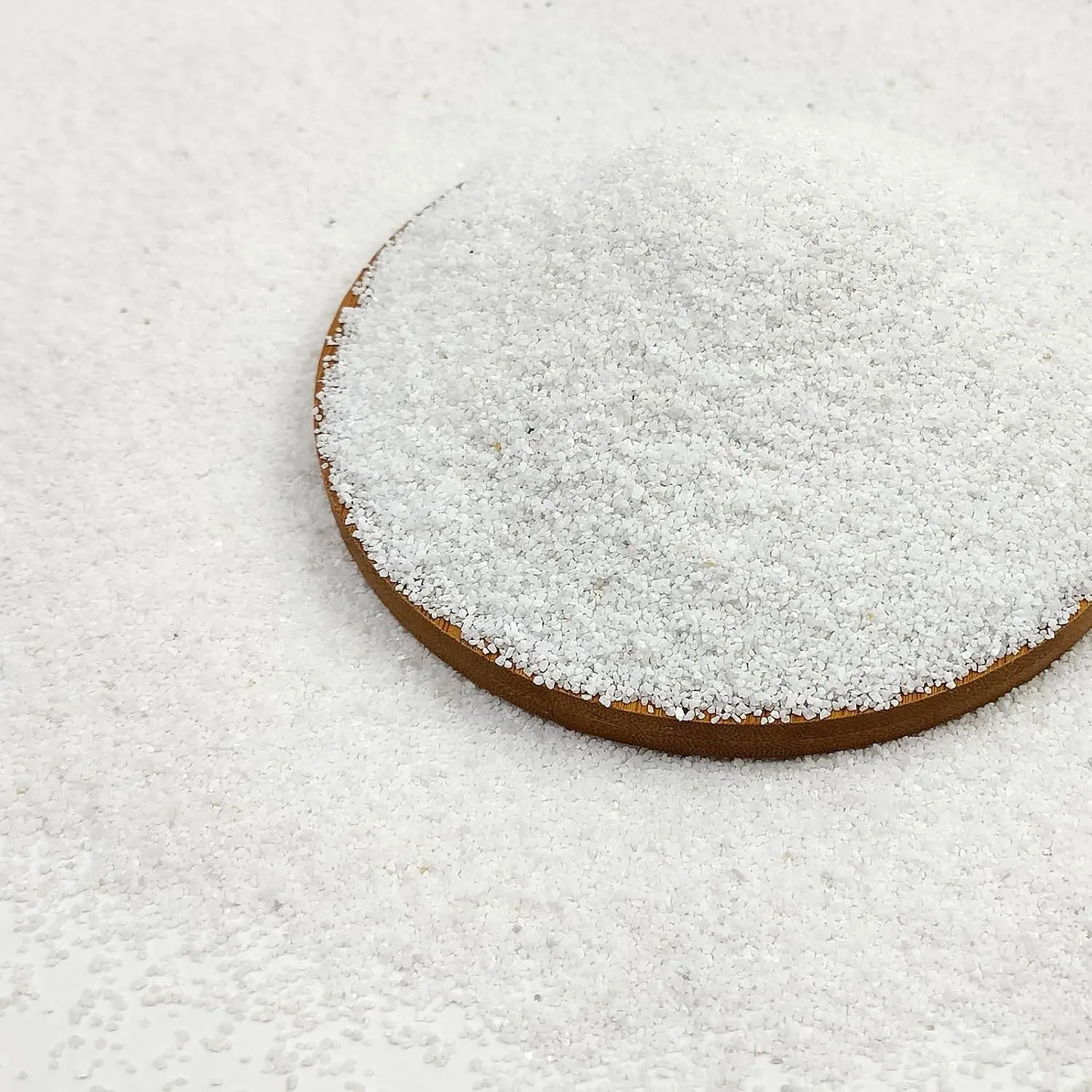
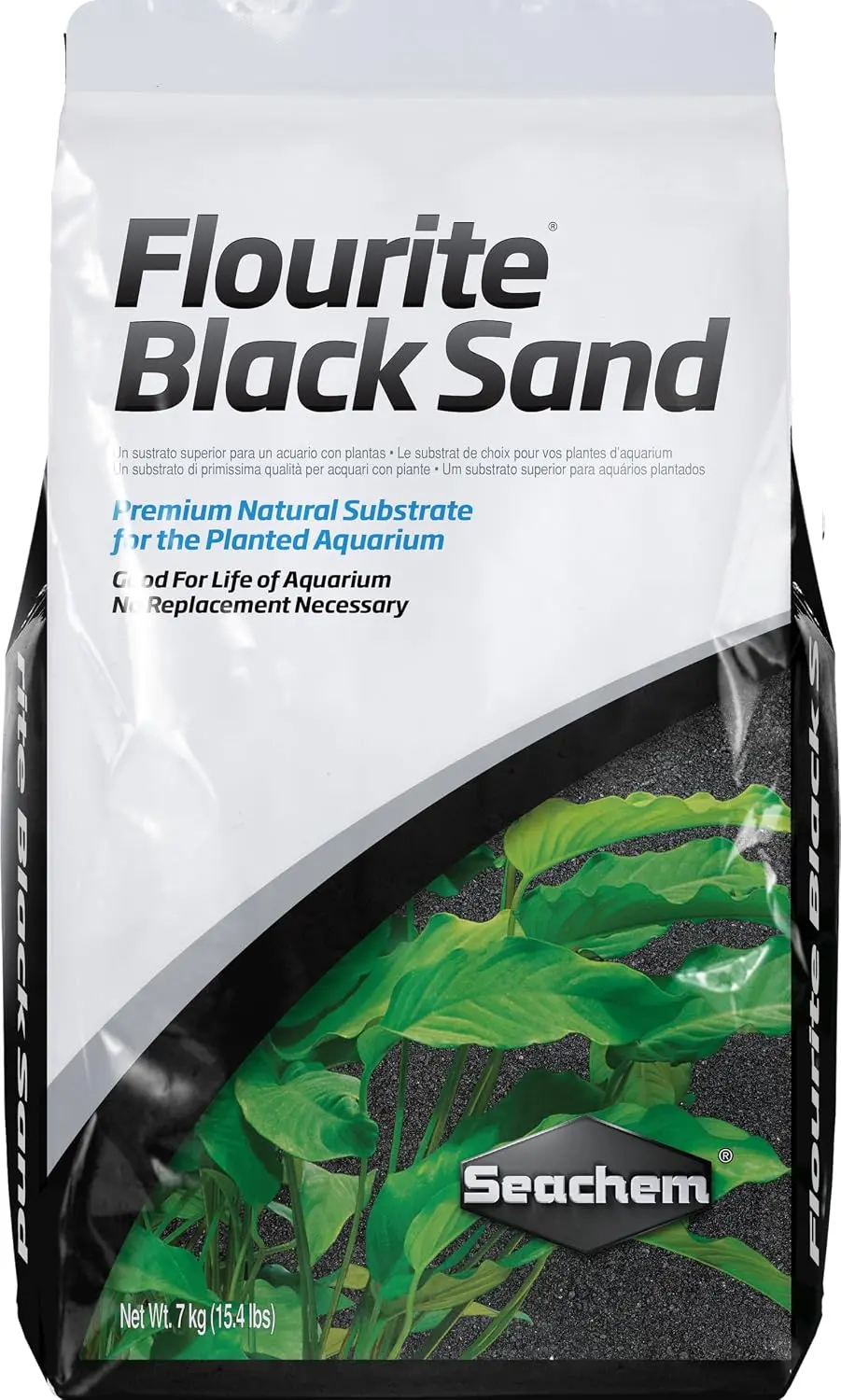
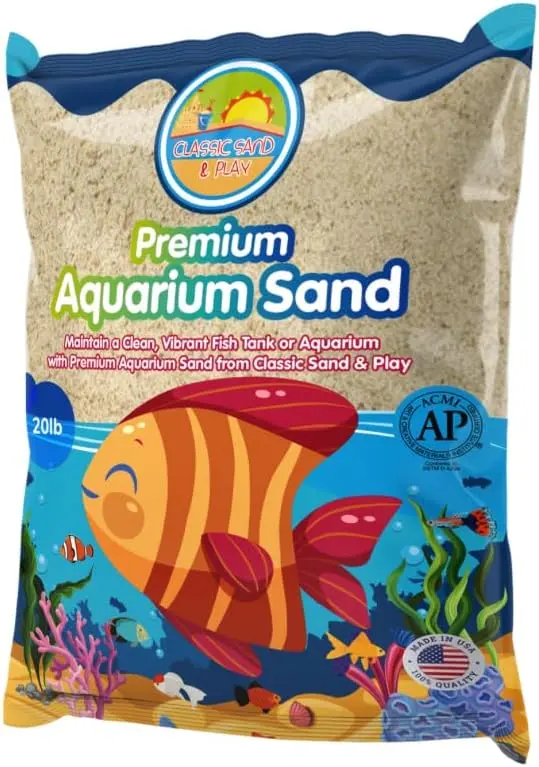
When setting up an aquarium for the Chocolate Loricaria (L062), a moderate water flow best suits their natural preferences. Because this species occupies the bottom zone, the aquarium layout should prioritise sufficient floor space with hiding spots among rocks, wood, or dense planting. Useful additions include a sand substrate to accommodate their sifting behaviour, smooth gravel or rounded substrate to protect their sensitive barbels, and driftwood, which can serve as both a hiding place and a dietary supplement.
Supplies for Chocolate Loricaria (L062)
We may earn from qualifying purchases


Chocolate Loricaria (L062) Compatibility Notes
Classified as peaceful, the Chocolate Loricaria (L062) is adaptable and can be kept singly or in a small group, offering flexibility when planning a community tank. When choosing tankmates, boisterous or fast-moving tankmates may cause this species undue stress. Selecting tankmates that favour different water layers from the bottom zone can help reduce competition and territorial overlap.
Who Chocolate Loricaria (L062) Is Actually For
Chocolate Loricaria (L062) is best for a fishkeeper who wants a species that can settle into a calmer community setup and can provide someone who understands its individual space requirements. It makes the most sense for a hobbyist who will actually build around its needs, especially sand.
The most common mistake is treating Chocolate Loricaria (L062) like any other community fish and skipping the soft sand it needs to forage safely. Another frequent problem is forcing it into an over-busy community when it would do better with more room or more deliberate tankmate choices.
Chocolate Loricaria (L062) Recommended Tank Sizes
Standard aquarium sizes that meet the minimum volume and length requirements for Chocolate Loricaria (L062).
55 Gallon Standard
60 Gallon Breeder
75 Gallon Standard
90 Gallon Standard
125 Gallon Standard
150 Gallon High
Frequently Asked Questions About Chocolate Loricaria (L062)
How big does Chocolate Loricaria (L062) get?
Chocolate Loricaria (L062) (Loricaria cataphracta) typically reaches a maximum adult size of approximately 25 cm. They have a depressed body shape and a moderate growth rate.
What tank size does Chocolate Loricaria (L062) need?
A minimum aquarium volume of 200 litres and a tank length of at least 120 cm are recommended for Chocolate Loricaria (L062). This ensures enough swimming space and helps maintain stable water conditions.
What water parameters does Chocolate Loricaria (L062) need?
Chocolate Loricaria (L062) thrives in freshwater only conditions with a temperature range of 23–27°C, a pH between 6 and 7.5, and a general hardness of 2–10 dGH. A moderate water flow is preferred.
Is Chocolate Loricaria (L062) peaceful or aggressive?
Chocolate Loricaria (L062) is classified as peaceful with an aggression score of 1 out of 10. They are generally well-suited to peaceful community tanks.
Can Chocolate Loricaria (L062) live alone?
Yes, Chocolate Loricaria (L062) can be kept singly or in a group. They are flexible and adapt well to both setups.
Does Chocolate Loricaria (L062) have any special tank requirements?
Yes. Chocolate Loricaria (L062) benefits from sand (sifters), driftwood (digestion/hiding), and smooth gravel (sensitive barbels) in the aquarium. These features help replicate their natural habitat and promote overall health and well-being.
Useful setup supplies
We may earn from qualifying purchases
Guidarium Editorial Desk
Reviewed against Guidarium care, stocking, and compatibility standards. Read the editorial policy.
- Last reviewed
- May 6, 2026
- Last updated
- May 6, 2026
- Issues or corrections?
- Contact the editorial team
Top Tank Mates for Chocolate Loricaria (L062)
These fish are strong compatibility matches for Chocolate Loricaria (L062) based on water preferences, temperament, adult size, and tank behavior.
Lyretail Killifish
Aphyosemion australe
Ideal Tank MatesGreen Neon Tetra
Paracheirodon simulans
Ideal Tank MatesGarnet Tetra
Hemigrammus pulcher
Ideal Tank MatesMoonlight Gourami
Trichogaster microlepis
Ideal Tank MatesDwarf Rasbora
Boraras maculatus
Ideal Tank MatesDwarf Pencilfish
Nannostomus marginatus
Ideal Tank MatesPlants That Suit Chocolate Loricaria (L062)
These plants pair well with Chocolate Loricaria (L062) based on shared water preferences, layout fit, and how likely they are to hold up in the same aquarium.
African Onion Plant
Crinum calamistratum
Afzel's Anubias
Anubias afzelii
Amazon Sword
Echinodorus amazonicus
Anacharis
Egeria densa
Anubias Barteri
Anubias barteri
Ashy Pipewort
Eriocaulon cinereum
Fish Similar to Chocolate Loricaria (L062)
Loricaria spinulifera
Loricaria spinulifera
Loricaria spinulifera, sometimes known as the Spiny Whiptail Catfish, is a highly camouflaged, slender bottom-dweller endemic to the deep river channels of the Amazon and Rio Negro basins. Adapted to low-light environments, it possesses reduced eyes and prominent thorn-like sensory odontodes on its head. It is an extremely peaceful detritivore that absolutely requires a soft sand substrate to sift for food without damaging its delicate mouthparts.
Loricaria lundbergi
Loricaria lundbergi
A slender, highly camouflaged whiptail catfish native to the deep, blackwater river channels of the Rio Negro and Rio Madeira basins. Unlike many suckermouth catfish, they are primarily insectivores and detritivores, actively sifting through the substrate for aquatic insect larvae rather than eating algae. They are peaceful, facultative air-breathers that require a soft sand substrate to prevent damage to their delicate mouths.
Loricaria lata (L010)
Loricaria lata
A large species of whiptail catfish endemic to the Araguaia river basin in Brazil. Historically associated with the L-number L010 in the aquarium trade. They possess heavily armored, flattened bodies and long filamentous tails. Due to their impressive adult size (up to 27cm SL), they require spacious aquariums with sandy substrates to prevent damage to their delicate barbels and allow natural foraging.
Parnahyba Whiptail Catfish
Loricaria parnahybae
A distinctive, slender armored catfish native to the Parnaíba River basin in Brazil. Known for its extremely elongated tail and flattened body, it blends perfectly with sandy substrates. It is a peaceful, fascinating bottom-dweller. Like other members of the genus Loricaria, they are remarkable 'lip brooders', where males carry clusters of eggs attached to their enlarged lower lips until they hatch.
Common Whiptail Catfish
Rineloricaria eigenmanni
A highly distinctive, slender, and peaceful bottom-dwelling catfish from South America. Known for its extremely elongated tail and excellent camouflaging abilities. They are non-aggressive grazers that feed on biofilm, aufwuchs, and sinking foods. Their rigid, twig-like bodies mean they need broad, smooth resting places.
Loricaria lentiginosa
Loricaria lentiginosa
A truly massive, prehistoric-looking whiptail catfish native to the upper Paraná River basin in Brazil. It is one of the largest species in its subfamily, capable of reaching over 50cm (20 inches) in standard length. Like many Loricaria, they are peaceful, bottom-dwelling sand-sifters, and males are paternal lip-brooders (carrying eggs on their mouths). Due to their extreme size, adults require enormous footprint aquariums or indoor ponds.