
A strikingly patterned, highly active loach native to the Brahmaputra and Ganges basins. Like most Botiid loaches, they establish complex social hierarchies and must be kept in groups to prevent stress and aggression. They are excellent snail hunters but require a soft, sandy substrate to protect their delicate sensory barbels from abrasion.
Bengal Loach At a Glance
Bengal Loach Tank Requirements
Will Bengal Loach fit in your tank?
Care guides tell you what Bengal Loach needs, the next question is whether your tank can safely provide it. Test Bengal Loach against your tank size, maintenance needs, and the fish you already keep before you buy.
Bengal Loach Water Parameters
Bengal Loach Temperament & Compatibility
Bengal Loach Varieties
Each variety inherits the species defaults above. Only differences are highlighted.
Standard
The standard Bengal Loach. Best kept in a group of 5 or more to disperse aggression (the 'alpha' will often chase subordinates). Avoid keeping with slow-moving, long-finned species.
Differs in 1 trait from base species
Also known as: Wild Type
Bengal Loach Care Guide Summary
The Bengal Loach, scientifically known as Botia dario, belongs to the Loaches family group. Adults reach a maximum size of approximately 15 cm and have a fusiform body shape with a moderate growth rate. Classified as mostly peaceful, this species primarily occupies the bottom zone of the aquarium and produces a medium level of biological waste.
To thrive, the Bengal Loach requires a freshwater only aquarium with a minimum volume of 200 litres and a tank length of at least 120 cm. Water temperature should be maintained between 23°C and 28°C, with a pH range of 6–7.5 and a general hardness of 2–15 dGH. A moderate water flow is preferred.
Due to its specialist needs, the Bengal Loach is best suited for fishkeepers who can provide a carefully planned setup. The Bengal Loach is typically available in one standard form.
Bengal Loach Habitat Setup
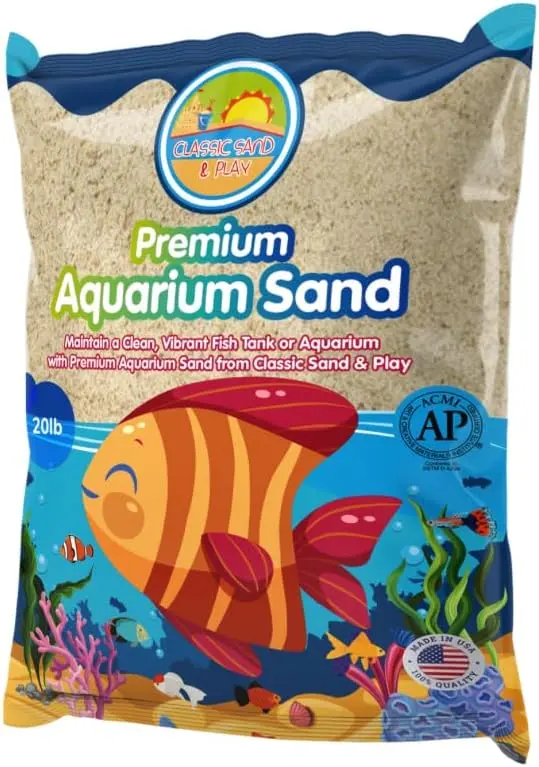
When setting up an aquarium for the Bengal Loach, a moderate water flow best suits their natural preferences. Because this species occupies the bottom zone, the aquarium layout should prioritise sufficient floor space with hiding spots among rocks, wood, or dense planting. Useful additions include a sand substrate to accommodate their sifting behaviour, smooth gravel or rounded substrate to protect their sensitive barbels, and driftwood, which can serve as both a hiding place and a dietary supplement. Keepers should note that expect substrate disturbance, so lightweight décor should be secured.
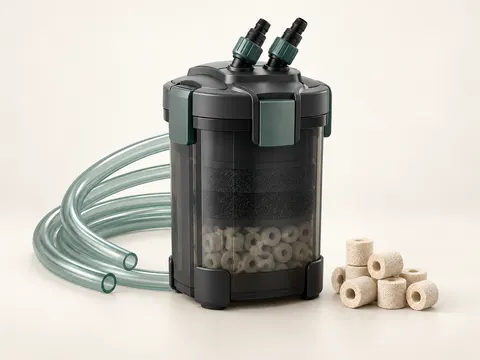
Supplies for Bengal Loach
We may earn from qualifying purchases



Bengal Loach Compatibility Notes
Classified as mostly peaceful, the Bengal Loach is a social species that requires the company of its own kind to thrive. When choosing tankmates, avoid housing with slow-moving or long-finned species that may become targets for fin nipping, snails will be treated as food rather than tankmates, conspecific aggression can be intense, especially in smaller tanks, and their energetic swimming style may stress more sedentary or timid species. Selecting tankmates that favour different water layers from the bottom zone can help reduce competition and territorial overlap.
Who Bengal Loach Is Actually For
Bengal Loach is best for a fishkeeper who wants a species that can settle into a calmer community setup and can provide a keeper who can commit to a proper group of at least 5. It makes the most sense for a hobbyist who will actually build around its needs, especially sand.
The most common mistake is treating Bengal Loach like any other community fish and skipping the soft sand it needs to forage safely. Another frequent problem is underestimating its social needs. A token pair or trio often behaves very differently from a real group.
Bengal Loach Recommended Tank Sizes
Standard aquarium sizes that meet the minimum volume and length requirements for Bengal Loach.
55 Gallon Standard
60 Gallon Breeder
75 Gallon Standard
90 Gallon Standard
125 Gallon Standard
150 Gallon High
Frequently Asked Questions About Bengal Loach
How big does Bengal Loach get?
Bengal Loach (Botia dario) typically reaches a maximum adult size of approximately 15 cm. They have a fusiform body shape and a moderate growth rate.
What tank size does Bengal Loach need?
A minimum aquarium volume of 200 litres and a tank length of at least 120 cm are recommended for Bengal Loach. This ensures enough swimming space and helps maintain stable water conditions.
What water parameters does Bengal Loach need?
Bengal Loach thrives in freshwater only conditions with a temperature range of 23–28°C, a pH between 6 and 7.5, and a general hardness of 2–15 dGH. A moderate water flow is preferred.
Is Bengal Loach peaceful or aggressive?
Bengal Loach is classified as mostly peaceful with an aggression score of 4 out of 10. They are generally well-suited to peaceful community tanks.
Can Bengal Loach live alone?
No, Bengal Loach should be kept in groups of at least 5 to reduce stress and encourage natural behaviour.
Will Bengal Loach eat snails?
Yes. Bengal Loach actively feeds on snails. While this can be useful for controlling pest snail populations, it means decorative snails should not be housed with this species.
Does Bengal Loach have any special tank requirements?
Yes. Bengal Loach benefits from sand (sifters), smooth gravel (sensitive barbels), and driftwood (digestion/hiding) in the aquarium. These features help replicate their natural habitat and promote overall health and well-being.
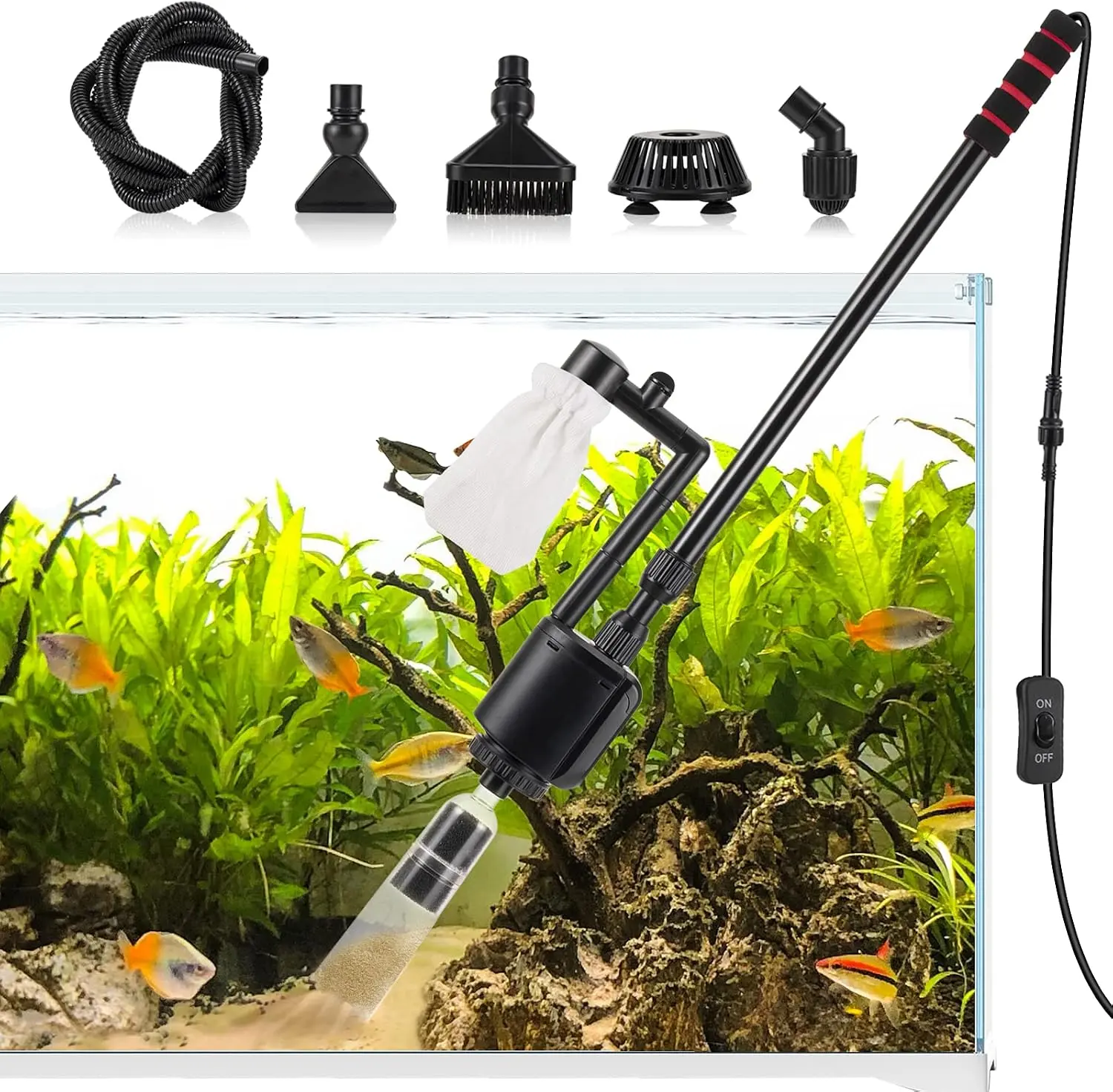
Useful setup supplies
We may earn from qualifying purchases


Guidarium Editorial Desk
Reviewed against Guidarium care, stocking, and compatibility standards. Read the editorial policy.
- Last reviewed
- May 1, 2026
- Last updated
- May 1, 2026
- Issues or corrections?
- Contact the editorial team
Top Tank Mates for Bengal Loach
These fish are strong compatibility matches for Bengal Loach based on water preferences, temperament, adult size, and tank behavior.
Kabia rainbowfish
Glossolepis kabia
Ideal Tank MatesSunset Platy (Variatus Platy)
Xiphophorus variatus
Ideal Tank MatesTiger Danio
Devario maetaengensis
Ideal Tank MatesWestern Rainbowfish
Melanotaenia australis
Ideal Tank MatesWaigeo Rainbowfish
Melanotaenia catherinae
Ideal Tank MatesTami River Rainbowfish
Glossolepis pseudoincisus
Ideal Tank MatesPlants That Suit Bengal Loach
These plants pair well with Bengal Loach based on shared water preferences, layout fit, and how likely they are to hold up in the same aquarium.
Afzel's Anubias
Anubias afzelii
Anubias Barteri
Anubias barteri
Belinda's Buce
Bucephalandra belindae
Buce Motleyana
Bucephalandra motleyana
Christmas Moss
Vesicularia montagnei
Congo Anubias
Anubias heterophylla
Fish Similar to Bengal Loach
Angelicus Botia
Botia kubotai
A strikingly patterned and highly active river loach native to Myanmar. As they mature, their distinct stripes break into intricate golden 'polka dots' over a dark body. Highly social, they must be kept in groups to establish complex pecking orders; keeping them in too small numbers leads to hiding or aggressive lashing out. They are excellent at controlling snail populations but require well-oxygenated water and a spacious footprint.
Zebra Loach
Botia striata
A highly active, beautifully striped bottom dweller endemic to the Western Ghats of India. Unlike some larger botiid loaches, the Zebra Loach is peaceful and stays relatively small, making it an excellent community fish. They are highly social, strict schooling fish that establish complex pecking orders. They are also famous for being voracious consumers of pest snails.
Mottled Loach
Paracanthocobitis botia
A highly active, rheophilic (current-loving) loach native to fast-flowing streams in South Asia. Known for their intricate mottled patterns and 'zipper-like' lateral line, they are boisterous and establish clear social hierarchies. They must be kept in groups to prevent bullying and require well-oxygenated water with a smooth substrate to protect their delicate barbels.
Tiger Loach
Syncrossus hymenophysa
A large, highly active, and notably aggressive loach recognized by its striking vertical stripes. Unlike most peaceful botiid loaches, the Tiger Loach is highly territorial and a notorious fin-nipper. They are social but possess a strict, often violent hierarchy; they must be kept in groups of 5+ to disperse aggression. Excellent at eradicating snails, but require fast-moving, robust tank mates (e.g., large barbs).
Yoyo Loach
Botia almorhae
A popular, energetic, and boisterous bottom dweller native to the slow-moving and still waters of the Ganges basin (India/Pakistan). Named 'Yoyo' because the dark reticulated patterns on juveniles often resemble the letters Y-O-Y-O. As they mature, the pattern becomes a complex mosaic. They are excellent snail eaters but can be semi-aggressive/boisterous, making them unsuitable for shy or long-finned tank mates.
Phuket Loach
Schistura robertsi
The Phuket Loach is a small, active stone loach native to fast-flowing, clear streams in the Malay Peninsula and southern Thailand. Like most Schistura species, they are highly territorial bottom-dwellers that require highly oxygenated water with moderate to high flow. They should be kept in setups with smooth river stones to break lines of sight and minimize aggression.