
Can Tiger Lotus and Water Spangles Grow Together?
They can grow together, but it is not a plant-and-forget pairing. The shared water range is about 22 to 28 °C, pH 6 to 8, and 2 to 15 dGH. Plan the spacing, trimming rhythm, and shade control before planting so one species does not slowly crowd the other.
Tiger Lotus
Nymphaea lotus
Water Spangles
Salvinia minima
Quick Decision
Use this first pass to decide whether the pairing deserves a real place in the tank plan before you get into the full care details.
74/100
Viable, but only with more deliberate layout choices.
Workable overlap
Shared range: 22-28°C, pH 6-8, 2-15 dGH.
Low crowding
Tiger Lotus and Water Spangles mostly use different scape zones.
Caution
The layout needs a little thought so one plant does not slowly dim the other.
Side-by-Side Planting Notes
The best coexistence pairings are not just plants with similar water ranges. They also need compatible mature size, feeding style, shade, and maintenance rhythm.
They do not strongly overlap in exact placement.
Light and CO2 expectations are close enough for one routine.
Shared water overlap: 22-28°C, pH 6-8, 2-15 dGH.
Shared benefit: Provides surface cover, Breaks lines of sight, and Useful spawning site.
Shared Environment
Tiger Lotus and Water Spangles share a workable water window around 22 to 28 °C, pH 6 to 8, and 2 to 15 dGH.
Both plants are comfortable in freshwater, so salinity is not a meaningful obstacle.
Both prefer gentle, low-flow water, so circulation can be planned as one steady pattern.
Their light and CO2 needs are close enough for one routine: Tiger Lotus does best with moderate light and optional added CO2, while Water Spangles does best with low light and no added CO2.
Layout and Spacing
They naturally settle into different parts of the scape, which gives you more room to use each species for what it does best instead of forcing direct competition.
Tiger Lotus reaches about 60 cm tall by 40 cm wide, while Water Spangles reaches about 1.5 cm tall by 5 cm wide. Use those mature sizes for the layout, not the small nursery portions you bring home.
Shade is worth watching, but it is usually manageable through trimming and a little spatial separation.
Tiger Lotus is typically bulb / tuber on or partly in substrate with nutrient-rich substrate preferred and feeds mainly as a root feeder. Water Spangles is typically free-floating with no substrate required and feeds mainly as a water column feeder. That difference can make the pairing easier to arrange than two plants fighting for the exact same root or attachment zone.
Maintenance Outlook
Mature size is not the main thing working against this pairing, so normal maintenance is usually enough to keep the scape readable.
Both plants have fast growth, moderate maintenance, and beginner difficulty. That makes the maintenance rhythm predictable: watch for crowding, remove old leaves, and avoid letting one clump shade the other for weeks at a time.
The practical watch-outs are that the layout needs a little thought so one plant does not slowly dim the other; and that their substrate preferences are different enough that rooted nutrition should be planned deliberately; and that growth pace and maintenance rhythm are uneven, so the stronger grower can dominate if pruning slips.
The strongest reasons to try the mix are that they share a workable temperature window around 22 to 28 °C; and that their flow preferences sit close enough to tune one layout around both plants.
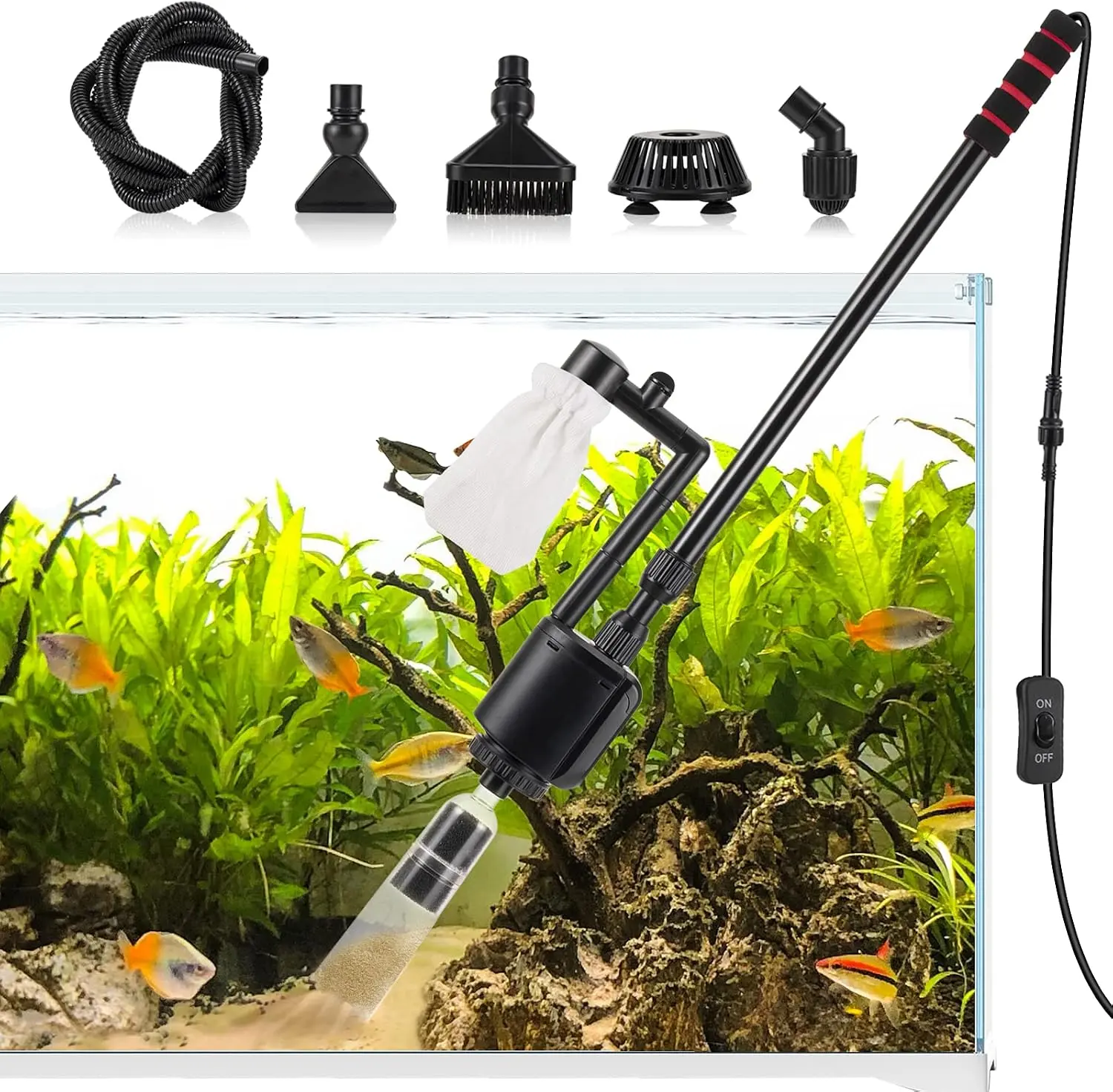
Supplies for Tiger Lotus & Water Spangles
We may earn from qualifying purchases
Practical Recommendation
Use this pairing when you are willing to manage the scape, not when you want a plant-and-forget combination. Start with more spacing than you think you need, then adjust once both plants show their real growth pace.
The simple success test is whether both plants still look healthy after the faster grower has been trimmed several times. If one keeps declining after routine care, the layout is probably asking too much of it.
Best Use Case
This pairing is best treated as a layout decision, not just a water-parameter match. Tiger Lotus and Water Spangles can work together, but only when you intentionally manage spacing, shade, and maintenance so the stronger grower does not quietly turn the other into dead weight.
Frequently Asked Questions About Tiger Lotus and Water Spangles
Can Tiger Lotus and Water Spangles grow in the same aquarium?
They can grow together, but it is not a plant-and-forget pairing. The shared water range is about 22 to 28 °C, pH 6 to 8, and 2 to 15 dGH. Plan the spacing, trimming rhythm, and shade control before planting so one species does not slowly crowd the other.
What water conditions suit both Tiger Lotus and Water Spangles?
The shared water window is about 22 to 28 °C, pH 6 to 8, and 2 to 15 dGH. Keep the tank in the middle of that overlap instead of chasing the outer edge of either plant's tolerance.
Will Tiger Lotus and Water Spangles compete for the same space?
Not heavily. They naturally land in different parts of the scape, which lowers direct space competition.
Is light or CO2 the bigger challenge with this pairing?
Neither light nor CO2 is a major divider here compared with most mixed-plant pairings.
What is the main risk when keeping Tiger Lotus with Water Spangles?
The layout needs a little thought so one plant does not slowly dim the other.
Plant pairing supplies
We may earn from qualifying purchases

Guidarium Editorial Desk
Reviewed against Guidarium care, stocking, and compatibility standards. Read the editorial policy.
- Last reviewed
- April 22, 2026
- Last updated
- April 22, 2026
- Issues or corrections?
- Contact the editorial team
Related Coexistence Guides
Robinson's Aponogeton
Aponogeton robinsonii
Amazon Frogbit
Limnobium laevigatum
Asian Watergrass
Hygroryza aristata
Asian Watermoss
Salvinia cucullata
Dwarf Chain Sword
Helanthium tenellum
Dwarf Crypt
Cryptocoryne parva