
Discus
Symphysodon aequifasciatus
Known as the 'King of the Aquarium', Discus are stunning, heavily laterally-compressed cichlids. They are famous for their demanding husbandry, requiring high temperatures (28-32°C / 82-90°F), pristine water quality, and specialized diets. They are schooling fish that establish a strict pecking order and must be kept in groups to prevent intense bullying of a single weaker fish.
Discus At a Glance
Discus Tank Requirements
Will Discus fit in your tank?
Care guides tell you what Discus needs, the next question is whether your tank can safely provide it. Test Discus against your tank size, maintenance needs, and the fish you already keep before you buy.
Discus Water Parameters
Discus Temperament & Compatibility
Discus Varieties
Each variety inherits the species defaults above. Only differences are highlighted.
Adult (Standard)
Fully grown adult Discus. The bioload modifier is set to 1.5 because, while compressed, they are extremely tall and thick for their shape category. They are generally peaceful with appropriate warm-water dither fish (like Sterbai Corydoras or Cardinal Tetras) but aggressively enforce hierarchy among themselves.
Same care requirements as the base species
Also known as: Pigeon Blood, Blue Turquoise, Marlboro Red, Cobalt, Leopard, Adult Discus
Juvenile (Grow-out)
Juvenile Discus require massive amounts of high-protein food (like beef heart) fed multiple times a day to avoid stunting. This frequent feeding requires intense filtration and extreme water change schedules. Can be temporarily housed in smaller grow-out tanks.
Differs in 4 traits from base species
Also known as: Baby Discus, 2 inch Discus, Juvenile
Discus Care Guide Summary
The Discus, scientifically known as Symphysodon aequifasciatus, belongs to the Cichlids - South American family group. Adults reach a maximum size of approximately 18 cm and have a compressed body shape with a moderate growth rate. Classified as mostly peaceful, this species primarily occupies the mid-level and bottom zones of the aquarium and produces a high level of biological waste.
To thrive, the Discus requires a freshwater only aquarium with a minimum volume of 250 litres and a tank length of at least 120 cm. Water temperature should be maintained between 28°C and 32°C, with a pH range of 5–7.5 and a general hardness of 1–12 dGH. A low water flow is preferred.
Due to its specialist needs, the Discus is best suited for fishkeepers who can provide a carefully planned setup. This species is available in 2 varieties: Adult (Standard) and Juvenile (Grow-out). Each may differ slightly in size, temperament, or care needs, so it is worth checking the specific requirements of the variety you plan to keep.
Discus Habitat Setup
When setting up an aquarium for the Discus, a low water flow best suits their natural preferences. Because this species occupies the mid-level and bottom zones, the aquarium layout should prioritise open swimming space in the centre of the tank for free movement and sufficient floor space with hiding spots among rocks, wood, or dense planting. Useful additions include a sand substrate to accommodate their sifting behaviour, driftwood, which can serve as both a hiding place and a dietary supplement, and leaf litter or blackwater tannins to replicate their natural soft-water habitat.
Supplies for Discus
We may earn from qualifying purchases

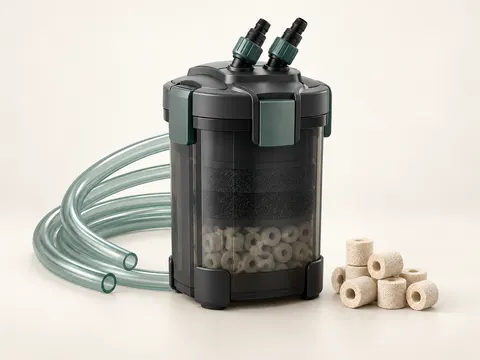
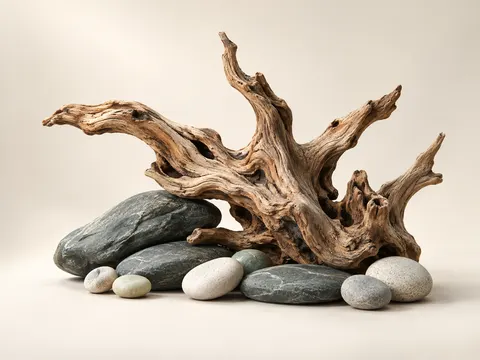

Discus Compatibility Notes
Classified as mostly peaceful, the Discus is a social species that requires the company of its own kind to thrive. When choosing tankmates, ornamental shrimp are not safe companions, conspecific aggression can be intense, especially in smaller tanks, territorial behaviour may cause issues if hiding spots or floor space are limited, and boisterous or fast-moving tankmates may cause this species undue stress. Selecting tankmates that favour different water layers from the mid-level and bottom zones can help reduce competition and territorial overlap.
Who Discus Is Actually For
Discus is best for a fishkeeper who wants a species that can settle into a calmer community setup and can provide a keeper who can commit to a proper group of at least 5. It makes the most sense for a hobbyist who will actually build around its needs, especially sand.
The most common mistake is treating Discus like any other community fish and skipping the soft sand it needs to forage safely. Another frequent problem is underestimating its social needs. A token pair or trio often behaves very differently from a real group.
Discus Recommended Tank Sizes
Standard aquarium sizes that meet the minimum volume and length requirements for Discus.
75 Gallon Standard
90 Gallon Standard
125 Gallon Standard
150 Gallon High
180 Gallon Standard
350 Liter (120cm Deep)
Show 1 more tank size
Frequently Asked Questions About Discus
How big does Discus get?
Discus (Symphysodon aequifasciatus) typically reaches a maximum adult size of approximately 18 cm. They have a compressed body shape and a moderate growth rate.
What tank size does Discus need?
A minimum aquarium volume of 250 litres and a tank length of at least 120 cm are recommended for Discus. This ensures enough swimming space and helps maintain stable water conditions.
What water parameters does Discus need?
Discus thrives in freshwater only conditions with a temperature range of 28–32°C, a pH between 5 and 7.5, and a general hardness of 1–12 dGH. A low water flow is preferred.
Is Discus peaceful or aggressive?
Discus is classified as mostly peaceful with an aggression score of 4 out of 10. They are generally well-suited to peaceful community tanks.
Can Discus live alone?
No, Discus should be kept in groups of at least 5 to reduce stress and encourage natural behaviour.
Is Discus safe with shrimp?
No. Discus is known to eat ornamental shrimp and is not recommended for shrimp tanks. Even larger shrimp species like Amano Shrimp may be at risk.
Does Discus have any special tank requirements?
Yes. Discus benefits from sand (sifters), driftwood (digestion/hiding), and leaf litter/blackwater in the aquarium. These features help replicate their natural habitat and promote overall health and well-being.
Useful setup supplies
We may earn from qualifying purchases




Guidarium Editorial Desk
Reviewed against Guidarium care, stocking, and compatibility standards. Read the editorial policy.
- Last reviewed
- April 28, 2026
- Last updated
- April 28, 2026
- Issues or corrections?
- Contact the editorial team
Top Tank Mates for Discus
These fish are strong compatibility matches for Discus based on water preferences, temperament, adult size, and tank behavior.
Starlight Bristlenose Pleco (L183)
Ancistrus dolichopterus
Ideal Tank MatesJurupari Eartheater
Satanoperca jurupari
Ideal Tank MatesMoonlight Gourami
Trichogaster microlepis
Ideal Tank MatesStriped Raphael Catfish
Platydoras armatulus
Ideal Tank MatesChocolate Gourami
Sphaerichthys osphromenoides
Ideal Tank MatesCheckerboard Cichlid
Dicrossus filamentosus
Ideal Tank MatesPlants That Suit Discus
These plants pair well with Discus based on shared water preferences, layout fit, and how likely they are to hold up in the same aquarium.
Amazon Frogbit
Limnobium laevigatum
Asian Watergrass
Hygroryza aristata
Asian Watermoss
Salvinia cucullata
Banana Plant
Nymphoides aquatica
Beckett's Water Trumpet
Cryptocoryne beckettii
Broad-leaved Crypt
Cryptocoryne pontederiifolia
Fish Similar to Discus
Uaru
Uaru amphiacanthoides
A large, relatively peaceful but highly gregarious South American cichlid. Often kept with Discus due to their shared need for very warm, pristine, acidic water. They are notorious herbivores that will devour almost any aquatic plant, and they actually require grazing on driftwood for proper digestion. They must be kept in groups.
Blue Tilapia
Oreochromis aureus
A robust, large-growing African cichlid famous for its hardiness, high growth rate, and commercial value. In the aquarium, they are highly active, extremely messy, and will systematically destroy any live plants or intricate hardscape by digging massive crater nests. They are highly adaptable to various water conditions, including brackish water.
Betta (Siamese Fighting Fish)
Betta splendens
The Siamese Fighting Fish is an aquarium icon known for its labyrinth organ (allowing air breathing) and vivid colors. While hardy, they require heated, filtered water (24-30°C). Males are solitary and fiercely territorial. Females are generally less ornate but can be kept in 'sororities' with strict precautions (minimum 5 females in 75L+).
Peacock Bass Temensis
Cichla temensis
The undisputed king of the Peacock Bass family and one of the largest cichlids in the world. Native to the Amazon basin, they are apex open-water predators. In the aquarium hobby, they are true 'monster fish' requiring massive, custom-built tanks or indoor ponds and exceptional filtration due to their enormous bioload and strictly piscivorous diet.
Longear Sunfish
Lepomis megalotis
A strikingly beautiful North American native fish often likened to a cold-water cichlid. Known for their brilliant blue and orange coloration and elongated opercular flaps ('ears'). They are highly territorial, predatory, and require a large, unheated or cool-water aquarium with plenty of structure.
Hi Fin Peppered Cory
Scleromystax macropterus
A spectacular armored catfish native to the fast-flowing, cool-water streams of southern Brazil. Unlike most tropical catfish, it strictly requires sub-tropical temperatures (16-23°C) and high dissolved oxygen. Frequently confused with 'long-fin' mutations of the standard Peppered Cory (C. paleatus), this is a naturally occurring, highly sexually dimorphic species.